Give attention before direction.
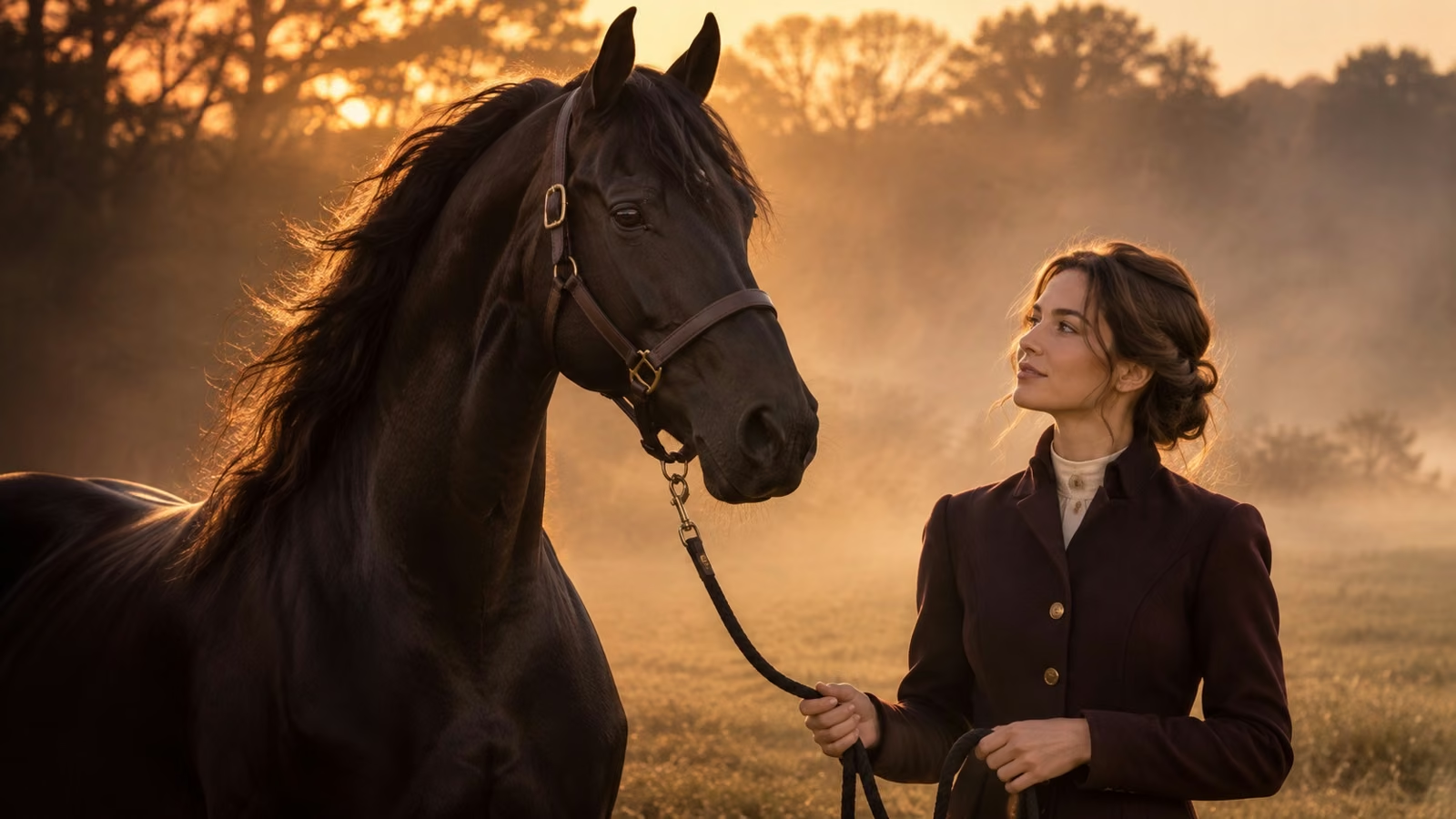
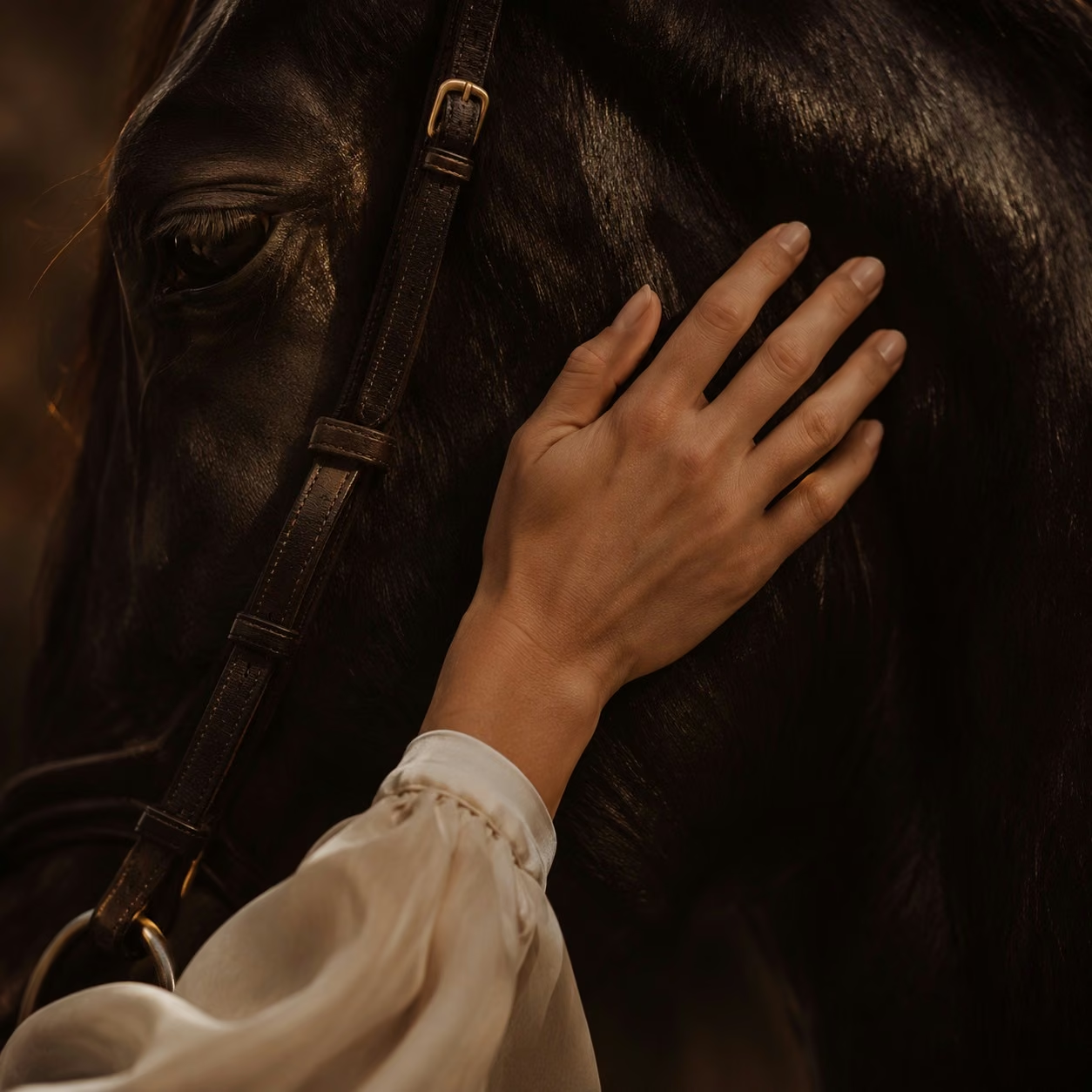
The first useful observation may arrive before a camera is raised. Notice how the horse stands, what attracts its attention and which gestures seem familiar. These details can suggest a portrait that feels particular.
A direction is useful when it creates the conditions for an image. It becomes less useful when it leaves no room for the subject to contribute.
Leave an interval.
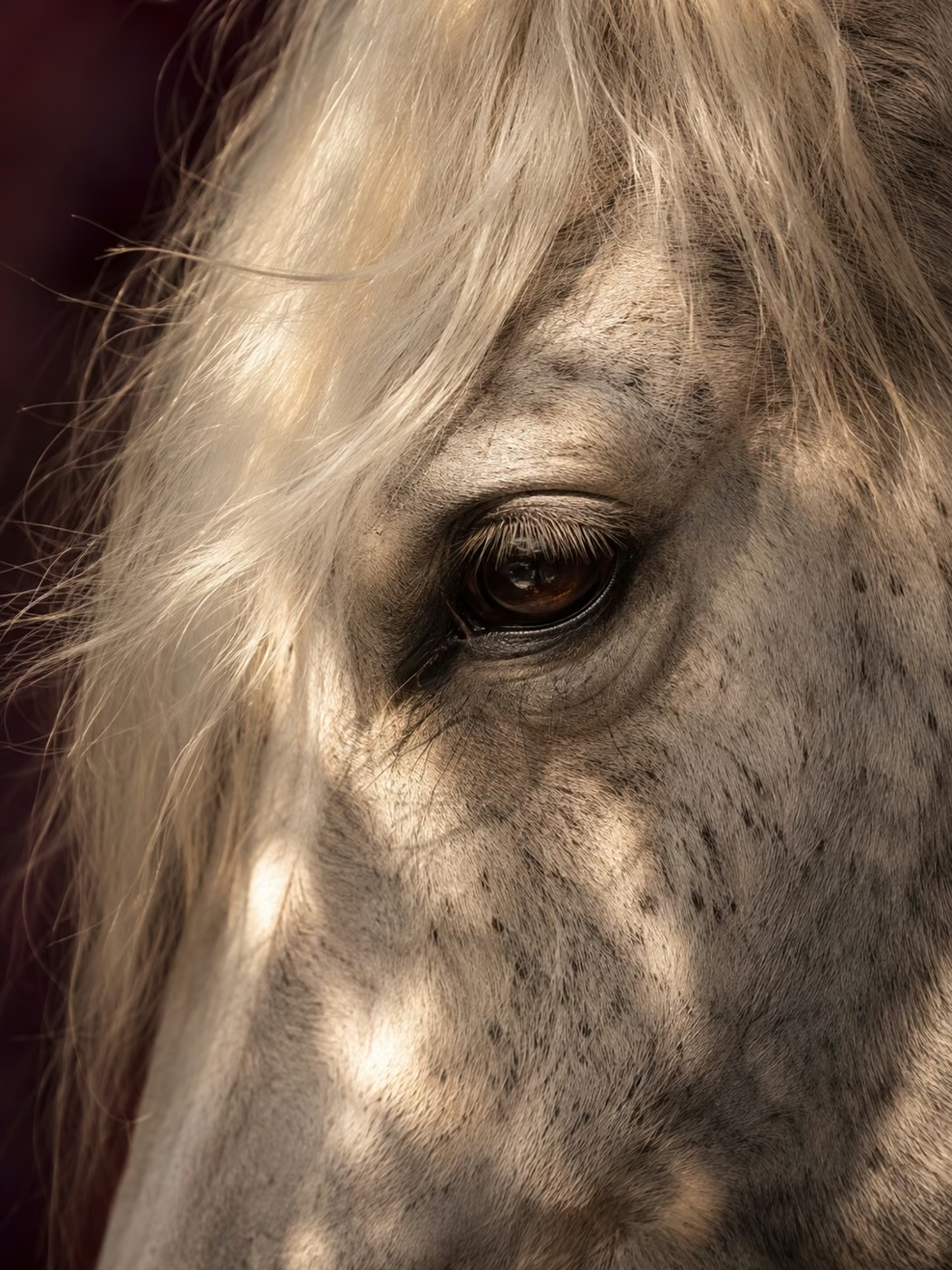
A pause can change the rhythm of a session. It gives the eye time to notice a different line of light or a quieter expression, and allows a familiar scene to become specific again.
Consider a wider view before moving closer. The setting may already contain the relationship that the portrait needs.
Choose the frame that remains.
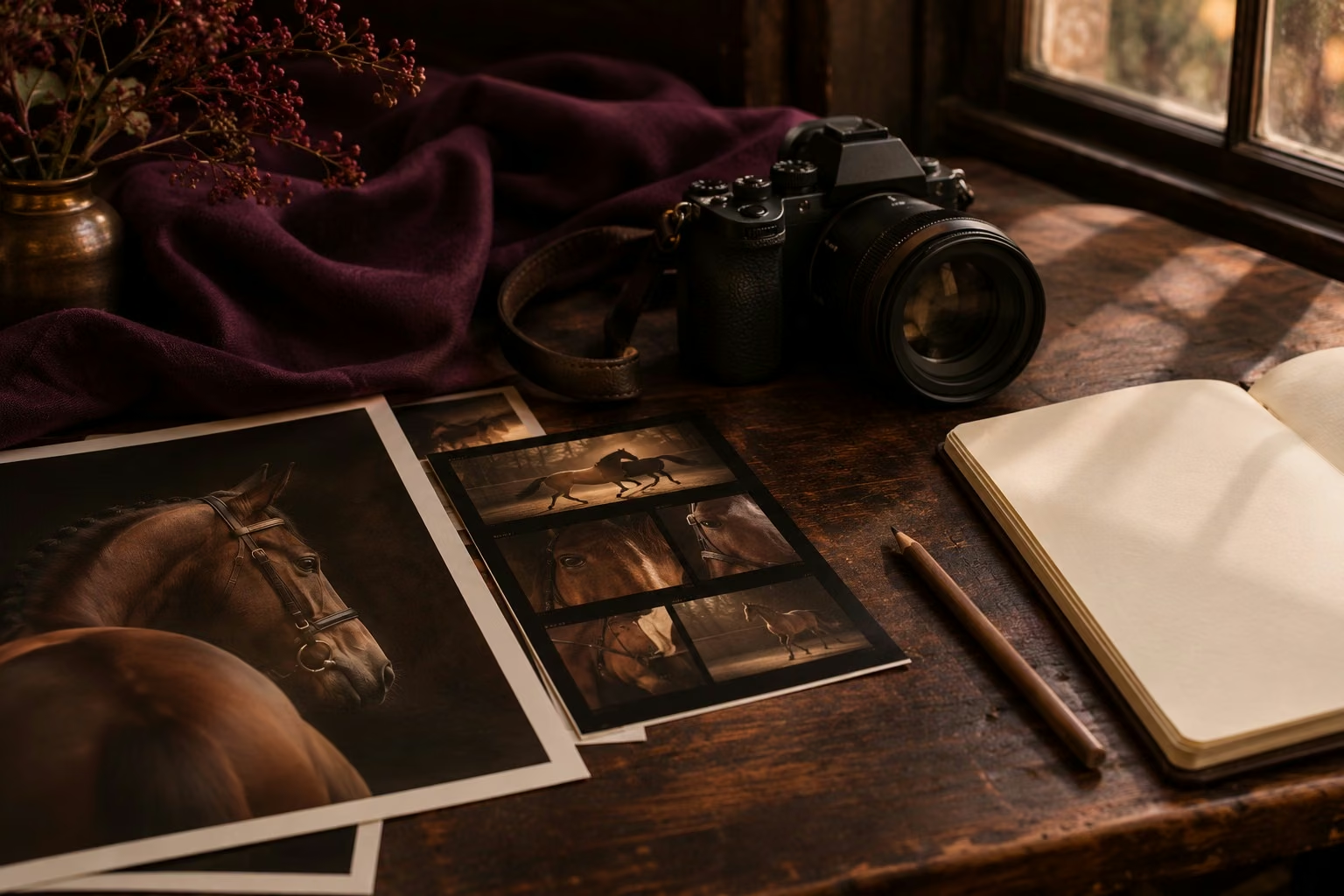
A photograph can be modest in isolation and expressive within a sequence. A small observation may connect the larger moments without asking for the same intensity.
Return to the edit after an interval. Notice which images still feel particular, and which simply repeat an idea that another photograph expresses more clearly.