01 / Respect
Let character lead.
A sensitive approach begins with the individual horse and the setting around it. Every idea should leave room for comfort, attention and an appropriate pace.
An imagined independent equine portrait practice, guided by the character of the horse, the feeling of the light and the relationships around it.
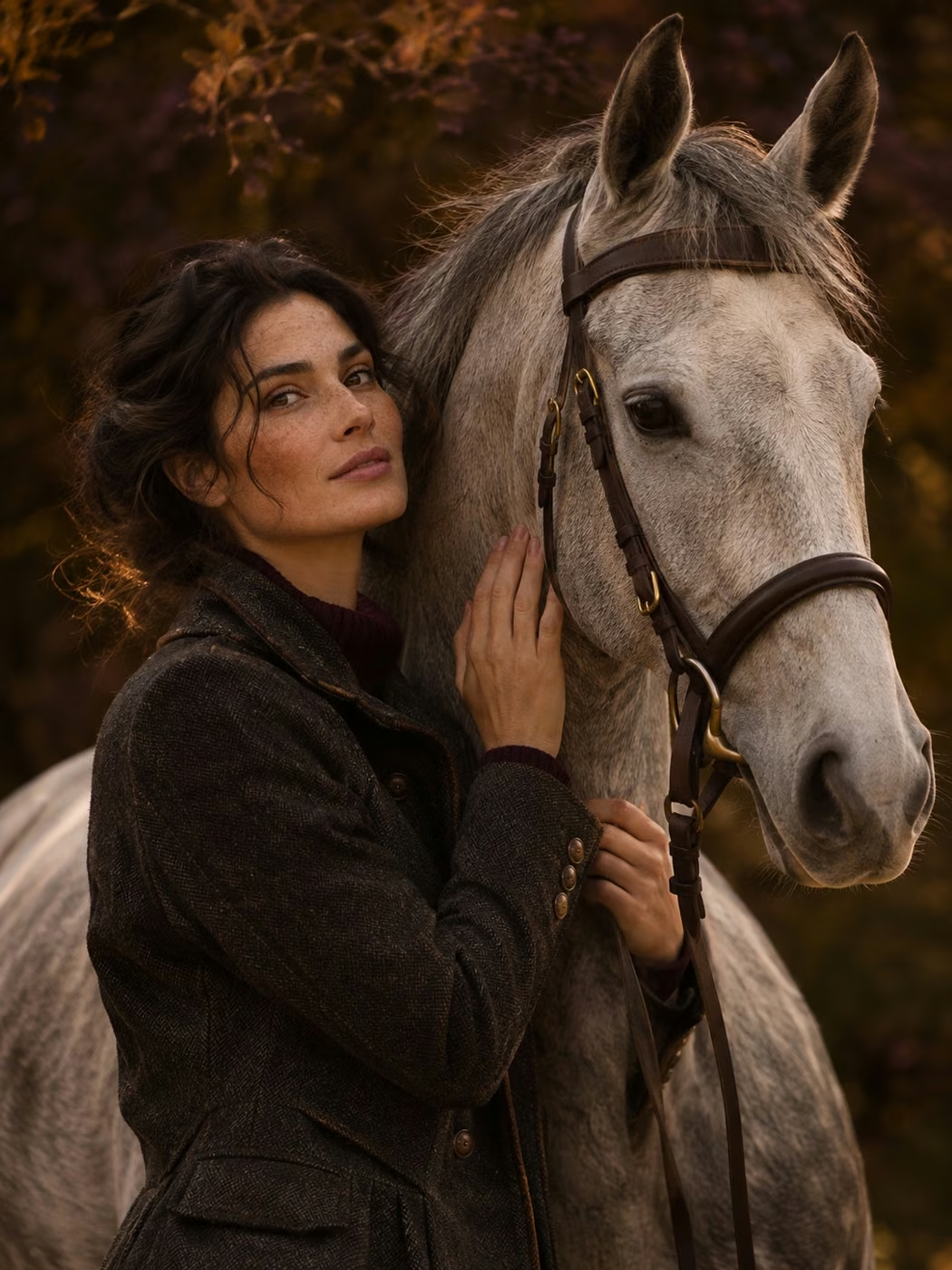
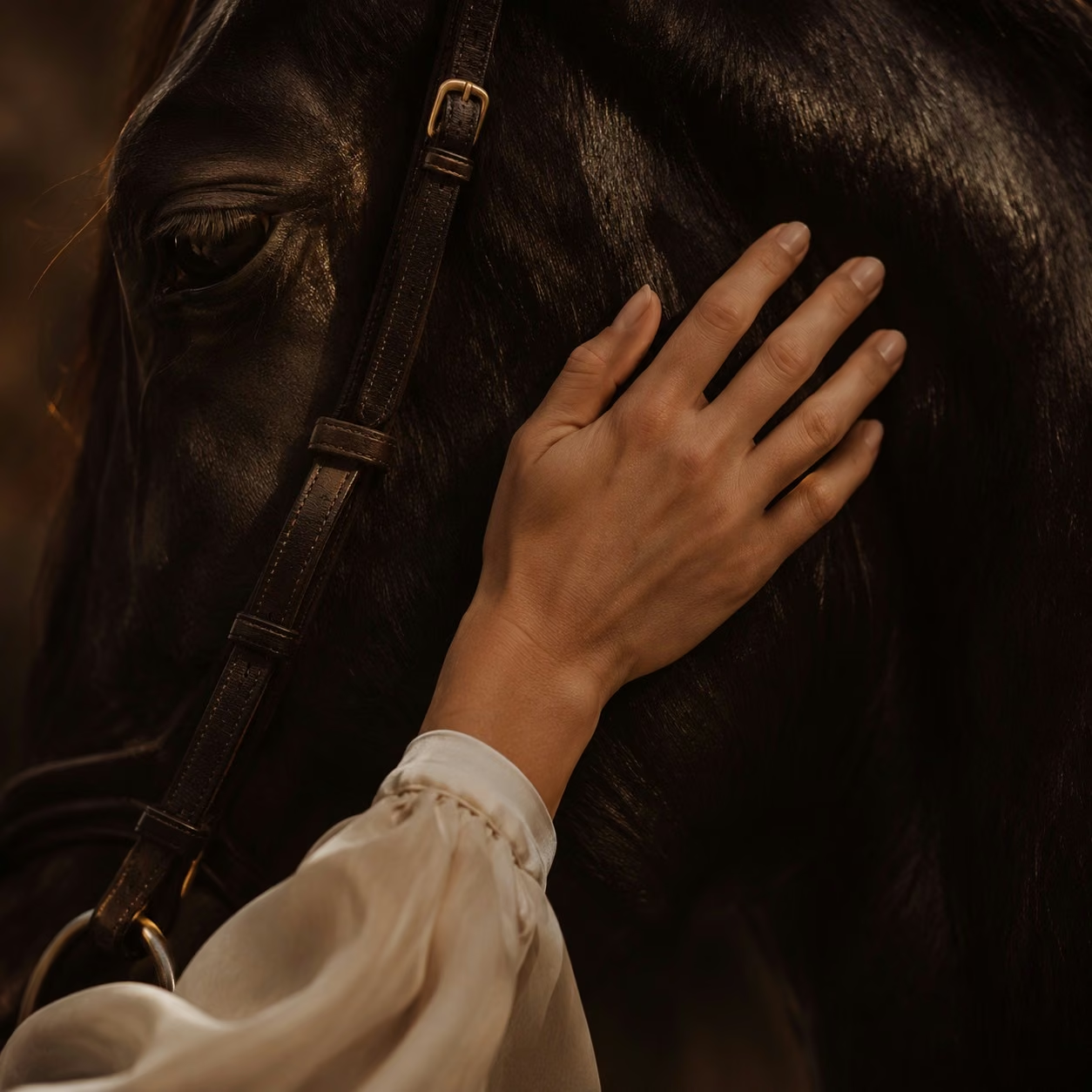
A portrait does not always need a grand gesture. The angle of an ear, the rhythm of a breath or a hand resting on a familiar neck can hold the feeling that makes a photograph matter.
Explore the work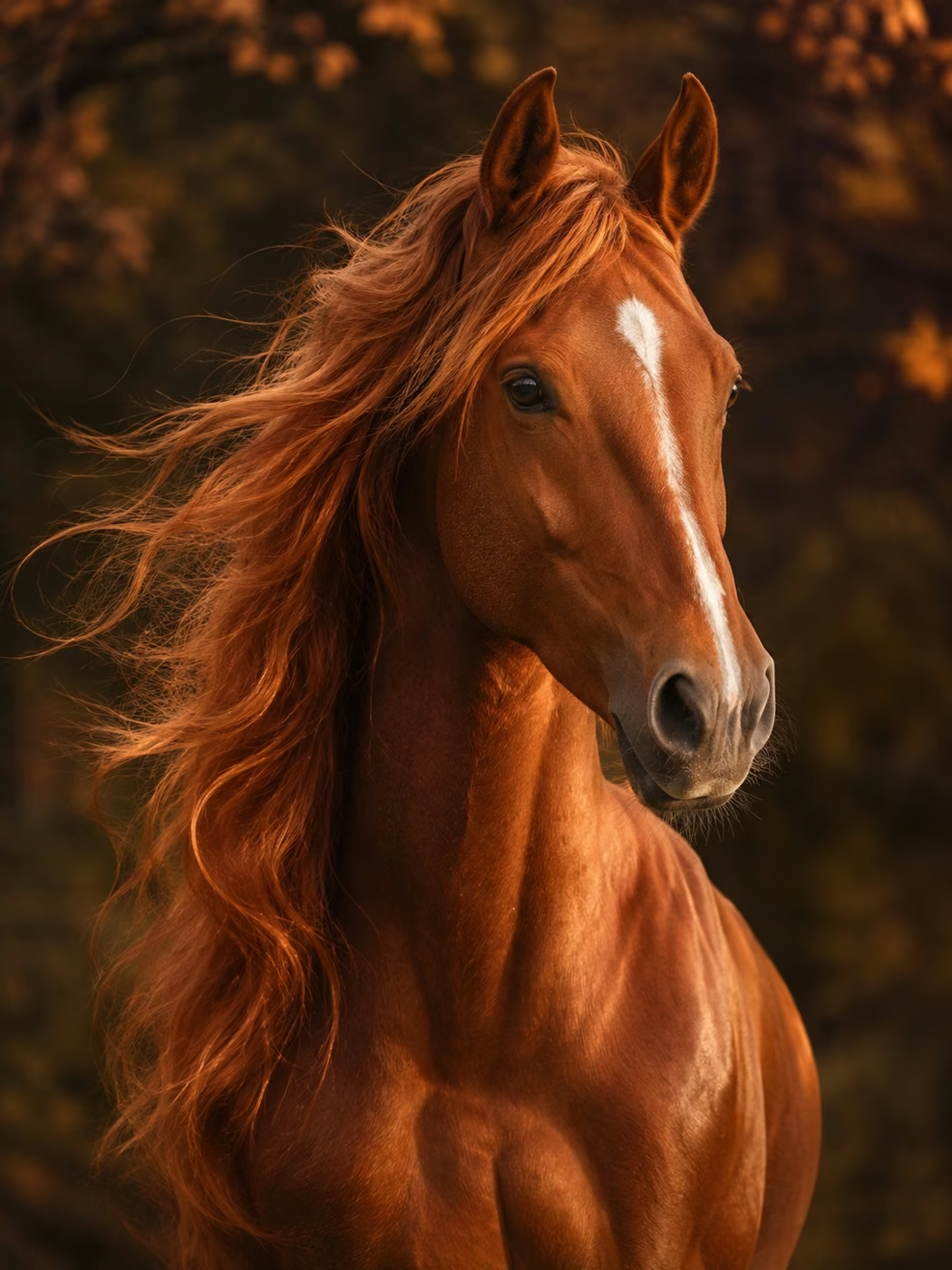
A sensitive approach begins with the individual horse and the setting around it. Every idea should leave room for comfort, attention and an appropriate pace.
Look for the moments between actions: a pause, a glance or the way the light falls across a coat. Specific observations give a portrait its character.
The horse and the person belong to the same visual world. A thoughtful sequence lets each presence contribute without asking every image to do the same work.
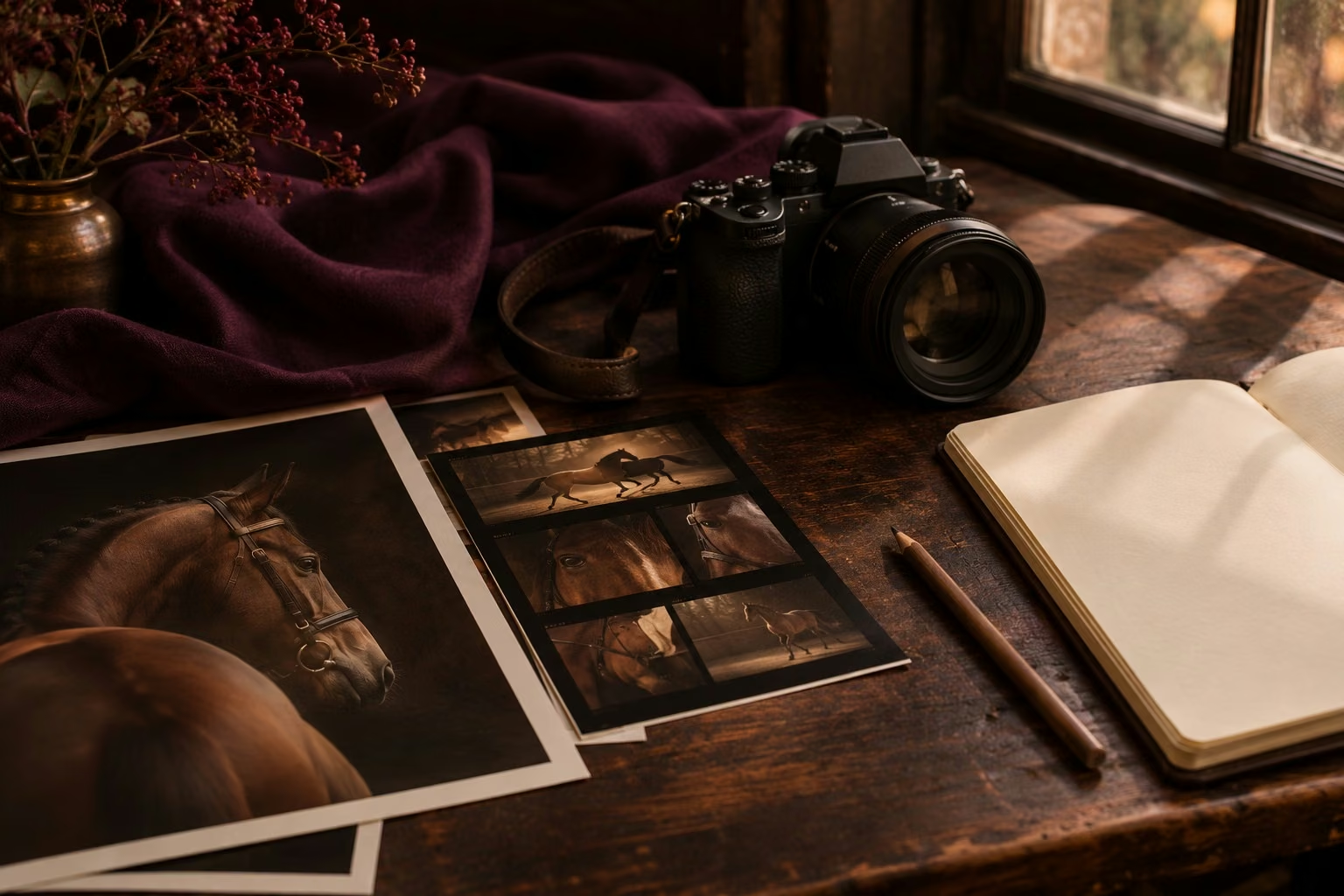
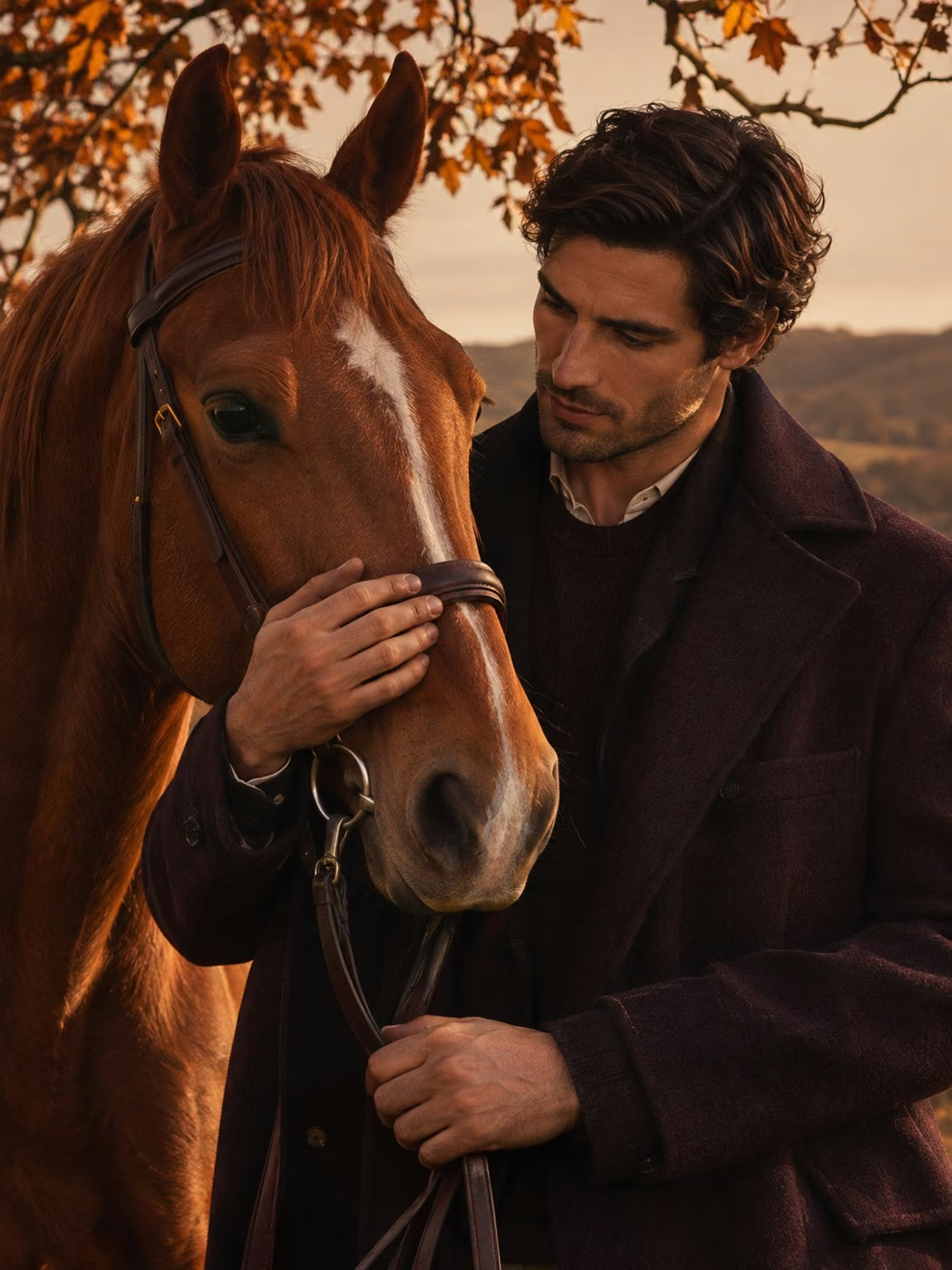
A notebook, a visual direction and a clear conversation help give a session its shape. This page describes an imagined practice; replace it with your own biography, genuine experience and photographic approach.
Read the approachObserve with care.
Remember with feeling.
CAVORA / An imagined photographic practice
Tell us about the horse, the bond you share and the atmosphere you hope to preserve. A good starting point is something particular, rather than a prescribed pose.
Light, surroundings and the horse’s comfort guide the imagined session. Leave room for an attentive ear, an unguarded gesture or a change in the wind.
A wider scene, an expressive portrait and an intimate detail give each other context. Select for what every frame contributes, not for repetition.
Share what makes your relationship particular. It might be an everyday ritual, the energy of a young horse or the companionship that has grown over time.
Write to the studio