01 / Listen
Begin with their character.
Tell us about the horse, the bond you share and the atmosphere you hope to preserve. A good starting point is something particular, rather than a prescribed pose.
A considered portrait collection begins with a conversation, develops at an attentive pace and comes together through a purposeful edit.
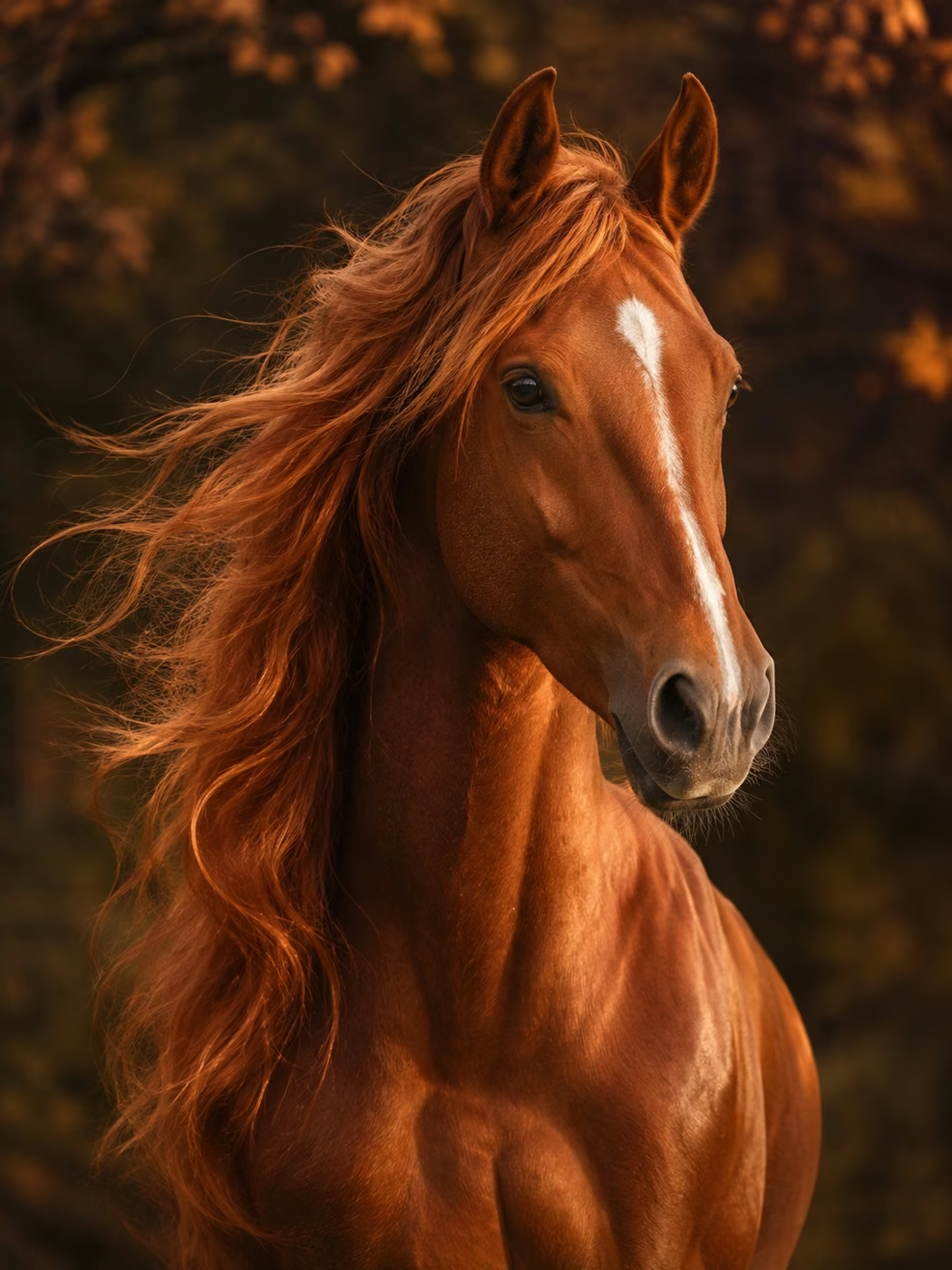
Tell us about the horse, the bond you share and the atmosphere you hope to preserve. A good starting point is something particular, rather than a prescribed pose.
Light, surroundings and the horse’s comfort guide the imagined session. Leave room for an attentive ear, an unguarded gesture or a change in the wind.
A wider scene, an expressive portrait and an intimate detail give each other context. Select for what every frame contributes, not for repetition.
The horse’s character, a familiar place and the purpose of the photographs help shape a useful direction. References can communicate an atmosphere while leaving room for a collection that belongs to you.
Share your direction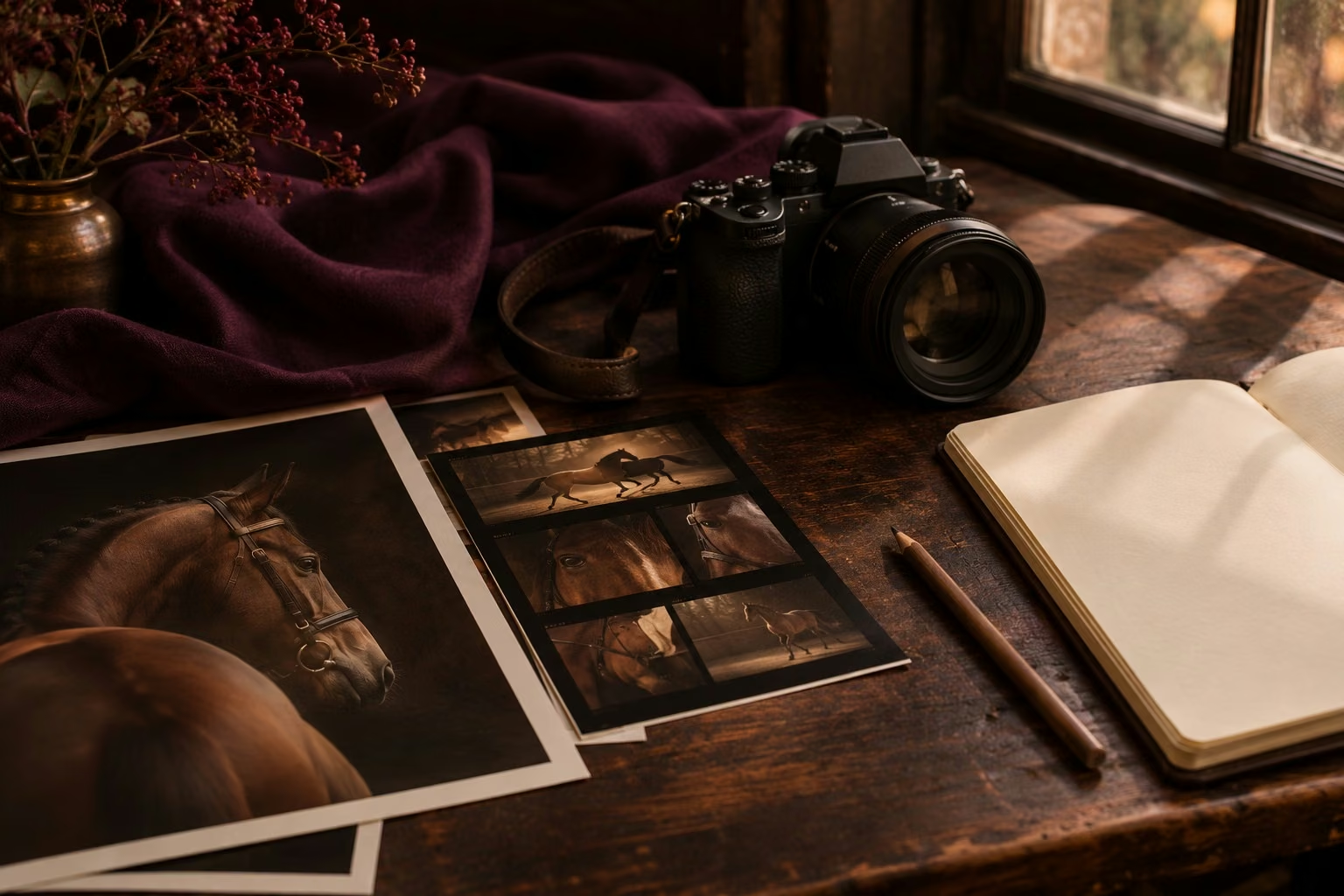
A mane, an attentive ear and a change of light can tell us something particular about a horse.
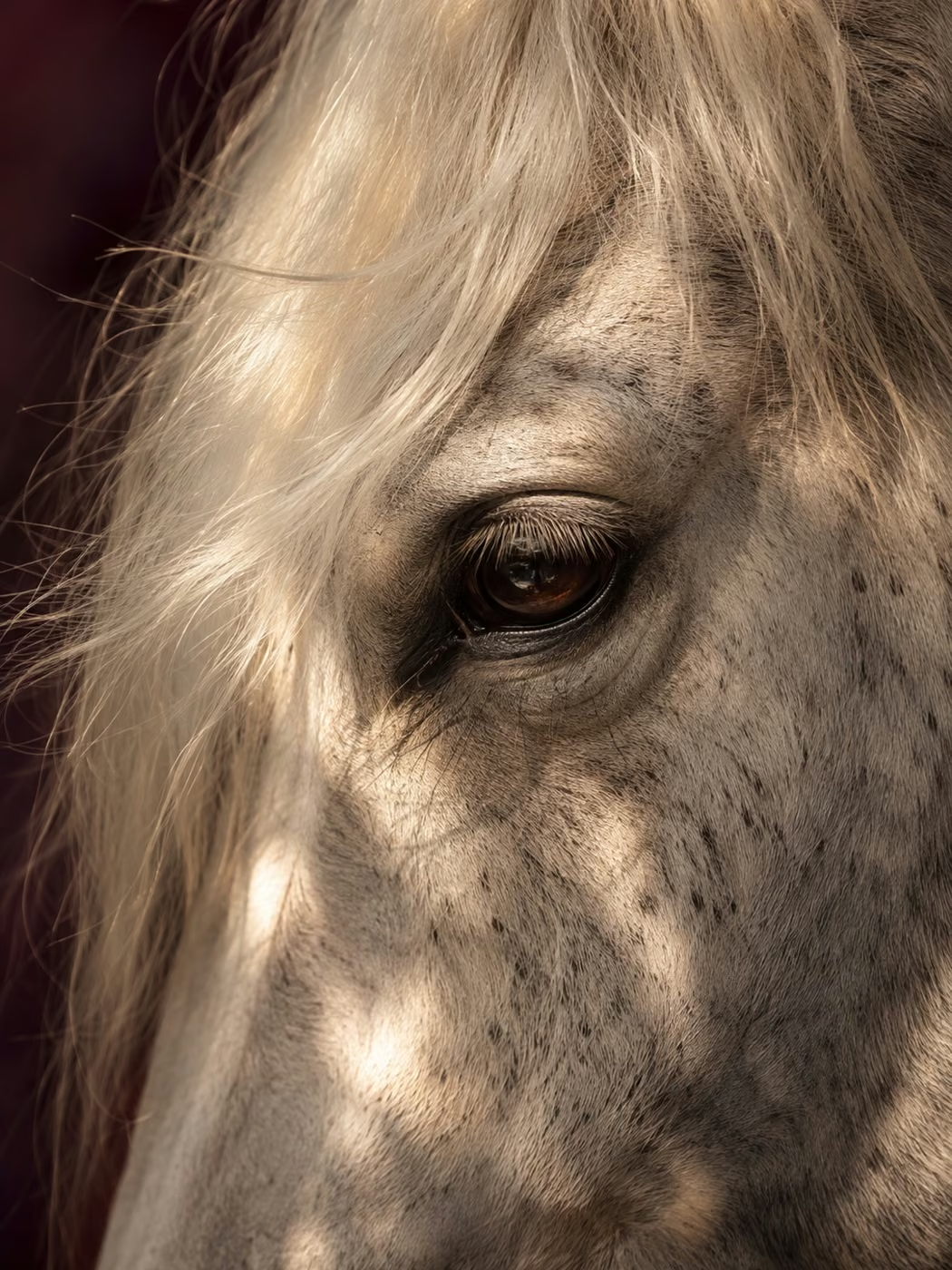
A closer observation holds its own kind of presence, without asking for a dramatic gesture.
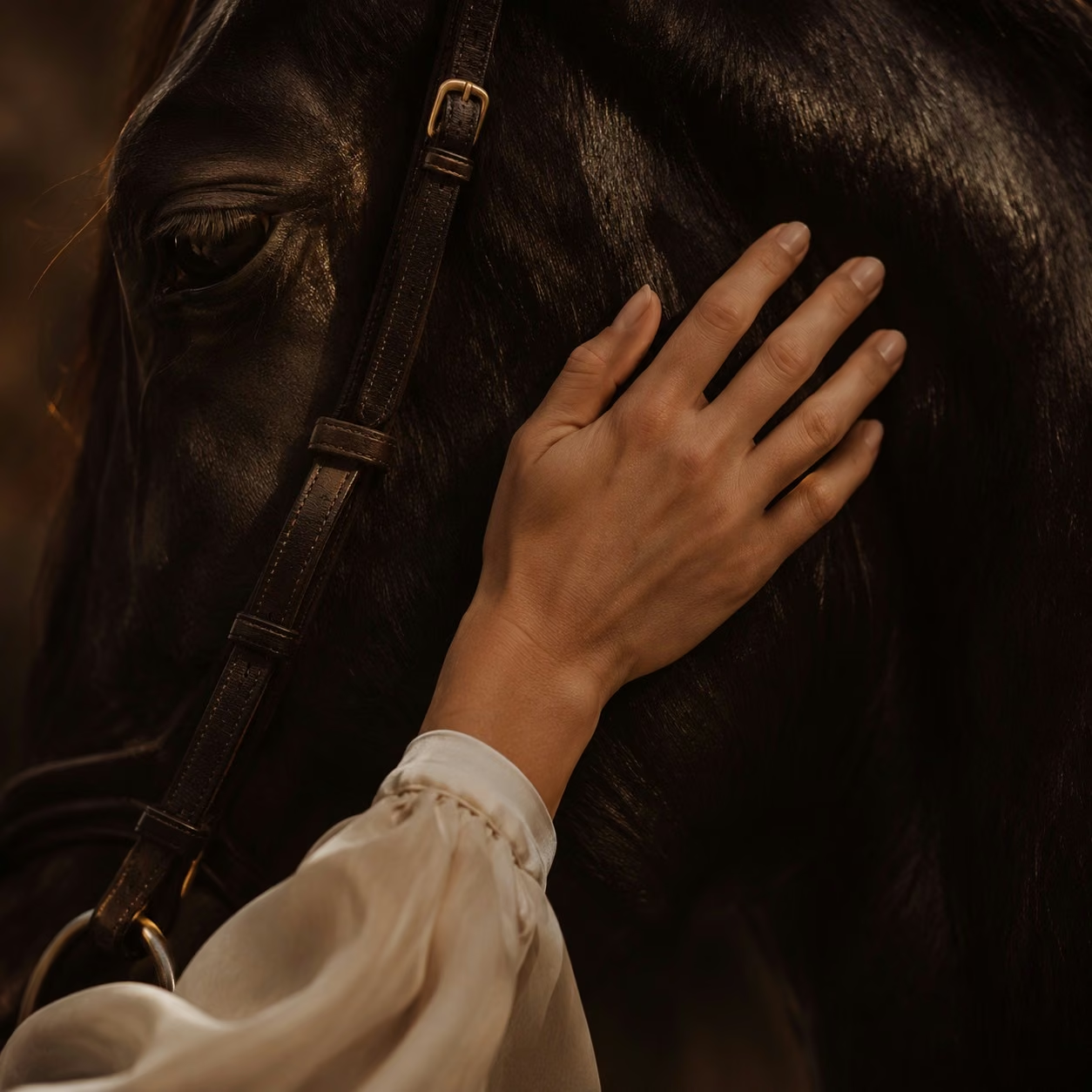
A familiar hand can change the feeling of a photograph and the collection around it.
Discuss access, permission, light, a responsible handler and the horse’s needs. Add only practical arrangements your own studio can provide.
An album, a wall portrait and an editorial story may call for different photographs. Agree collection size, formats and usage in the proposal.
Outline how selections, delivery and any print options will be handled. This demonstration does not include a print shop, order system or client delivery platform.
The strongest frame is not always the loudest. A quiet gesture, a detail or a wider landscape can give a portrait more room to be understood.
See the complete stories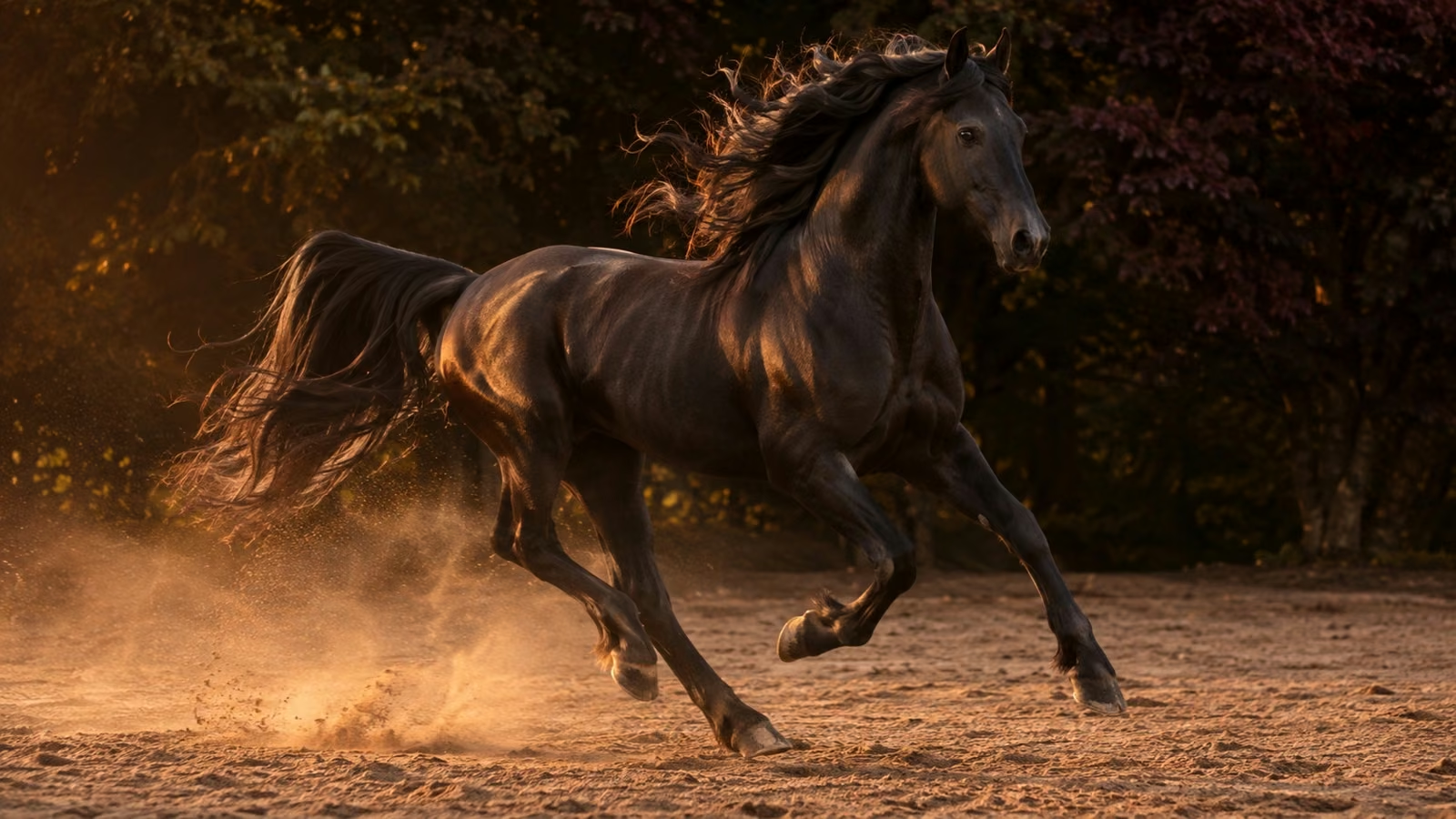
No. Begin with the horse’s character, a feeling you would like to preserve or where you imagine displaying the photographs. These details can give the conversation a useful direction.
The kind of collection you have in mind, your preferred time of year, the setting and any access or practical considerations. The studio can then discuss the scope with you.
A suitable setting, permission to use it, a responsible handler and the horse’s comfort should be discussed in advance. Describe only arrangements and experience your own studio actually provides.
Collection size, formats, intended usage, timing and fees belong in a written proposal. This demonstration presents an editorial portfolio and does not supply a booking or licensing service.