Start with the feeling.
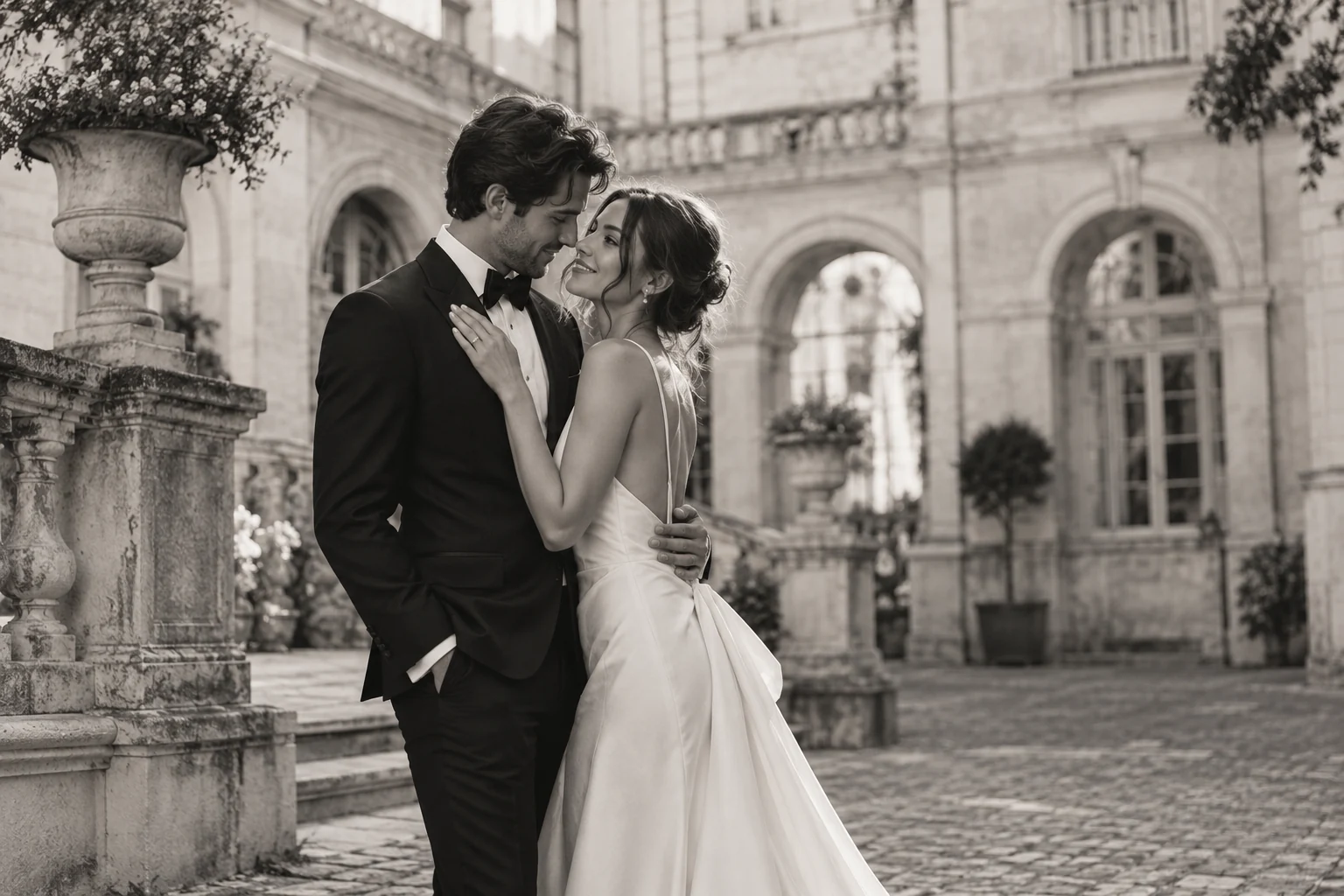
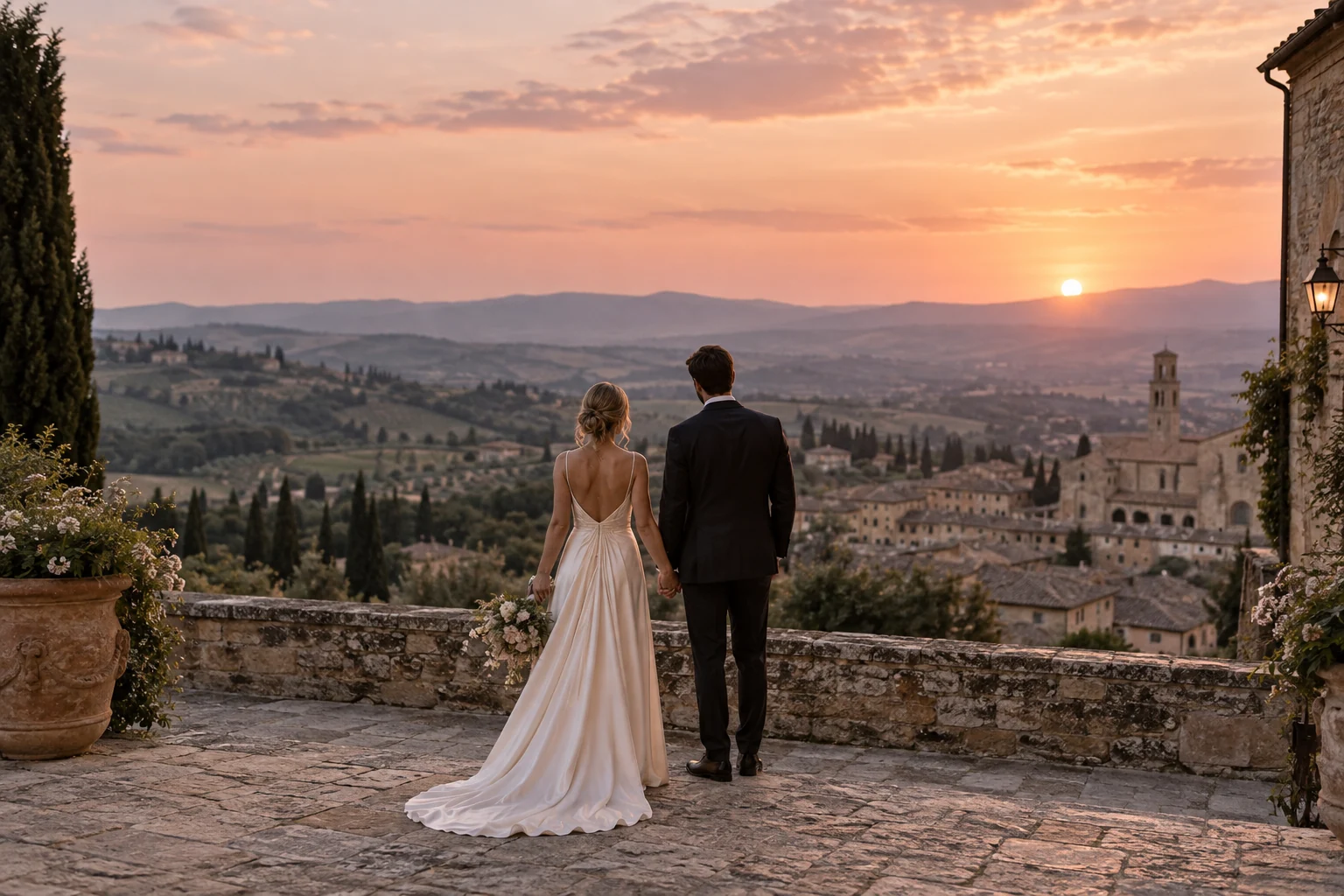
Light changes the mood of a photograph long before it changes the exposure. Open shade can feel calm and intimate. A late sun can turn a familiar terrace into something warmer and more expansive. Candlelight can make a table feel like a world of its own. Start by noticing which of those feelings speaks to you.
A reference photograph is a useful beginning, but it is not a promise that another place and another day will look identical. Share the quality you love: the softness, the contrast, the intimacy or the space. That gives a photographer something more flexible to work with than a single frame to repeat.
“Notice the light. Then leave room for the people in it.”
Keep the plan flexible.
Weather, season and the shape of a building all affect where good light appears. A beautiful portrait may happen beside an ordinary window rather than in the most obvious location. Leave room to use what the day offers, even if it is different from what you imagined.
A short alternative plan can help. Consider a sheltered courtyard, a room with natural light or a simple background near the gathering. None of these needs to become a complicated production. The aim is to make a small change of plan feel easy.
Stay for the transition.
Some of the most interesting light happens between familiar categories. Afternoon begins to soften. Candles become visible against a darkening courtyard. The sky holds a little color after the direct sun has gone. A few attentive minutes can reveal a mood that a rigid plan would miss.
The photograph is not the whole experience. If the evening is unfolding beautifully around you, the right choice may be a brief portrait and a quick return to the table. Remembering how it felt matters as much as remembering how it looked.
An original editorial note by Pitiko Studio for the Vow & Veil concept.