Choose meaning before quantity.
The details worth keeping are often the ones with a reason to be there. A ribbon in a familiar color, a letter, an inherited piece of jewelry or a flower that reminds you of a place can carry more meaning than a long list of things added only to be photographed.
You do not need a perfectly styled collection of objects. Set aside a few pieces that matter, and explain why. That context helps an image feel connected to the people and the day rather than detached from them.
“Something small can hold a whole feeling.”
Let materials do some of the work.
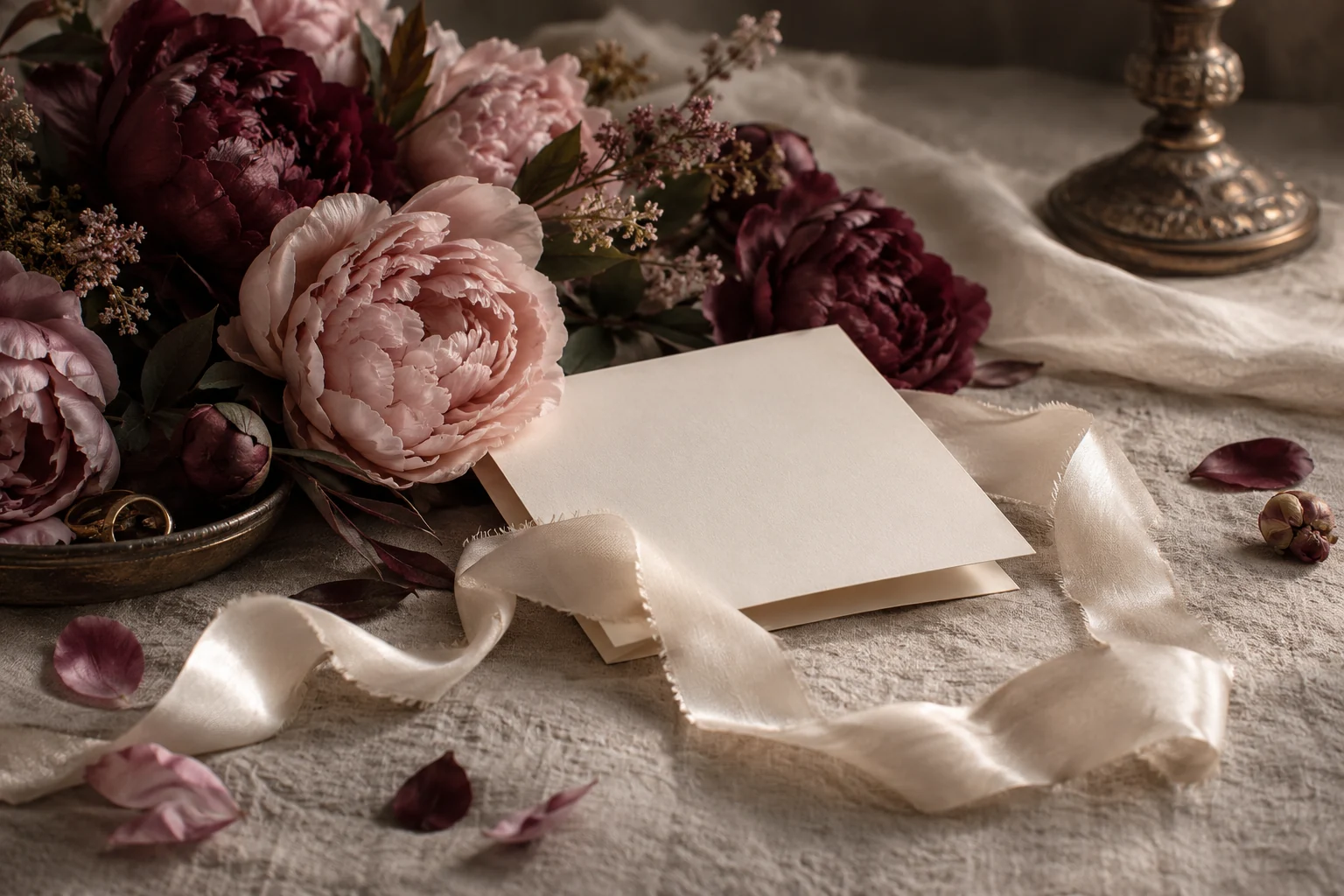
Linen, silk, stone and paper each respond to light differently. A restrained palette can make those differences easier to see. Think about texture as well as color: a matte surface beside glass, a loose ribbon against a crisp invitation, the irregular edge of a garden flower.
Leave a little space around the objects. A photograph needs somewhere for the eye to rest, especially when several materials meet in one frame. A small, deliberate arrangement usually says more clearly what an overfilled composition is trying to say.
Keep the details in the story.
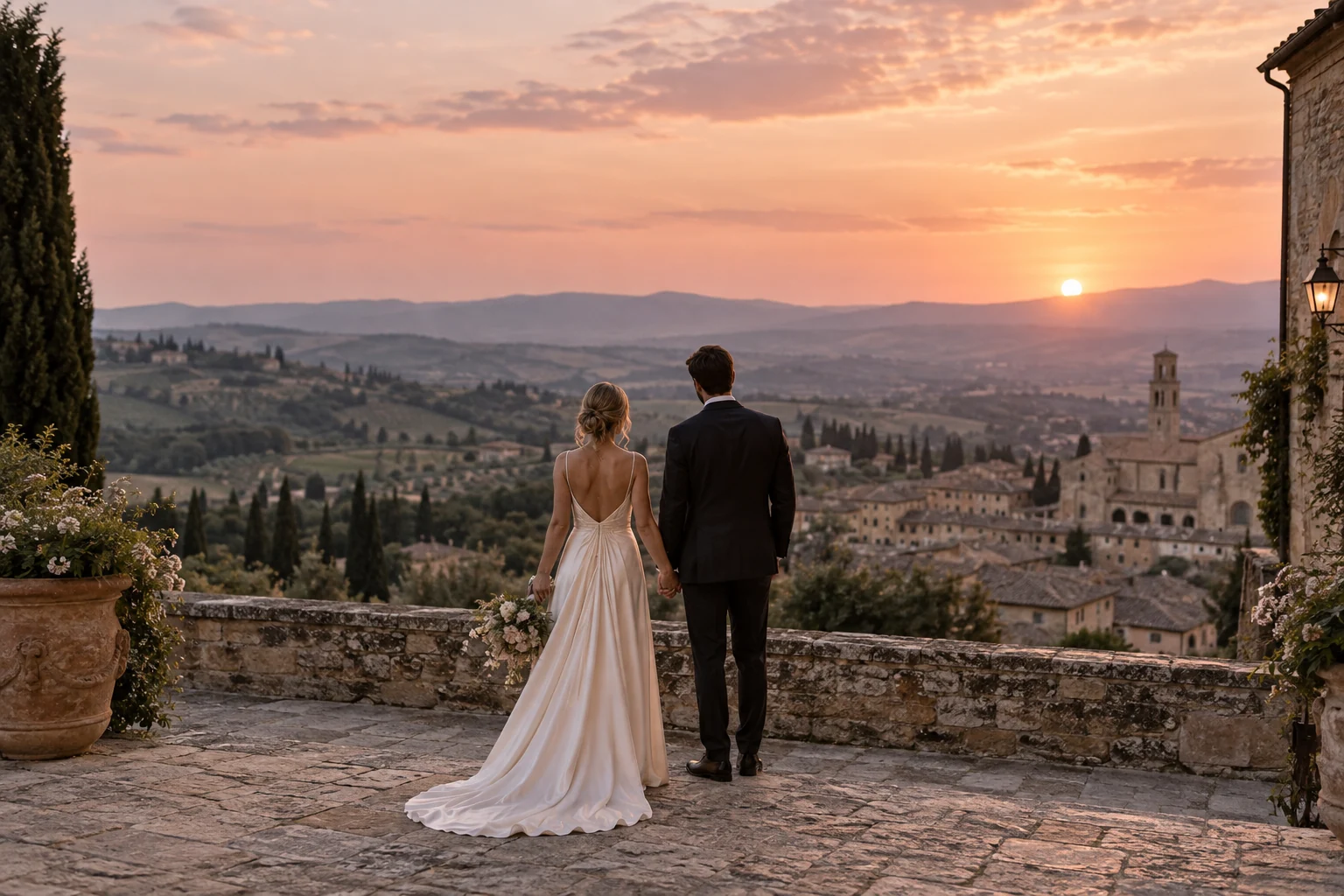
A detail photograph is most useful when it belongs to a sequence. The flowers at the table, the person holding the bouquet, the room where a letter was read: these relationships give an object its place. The goal is not an inventory, but a sense of the world around the celebration.
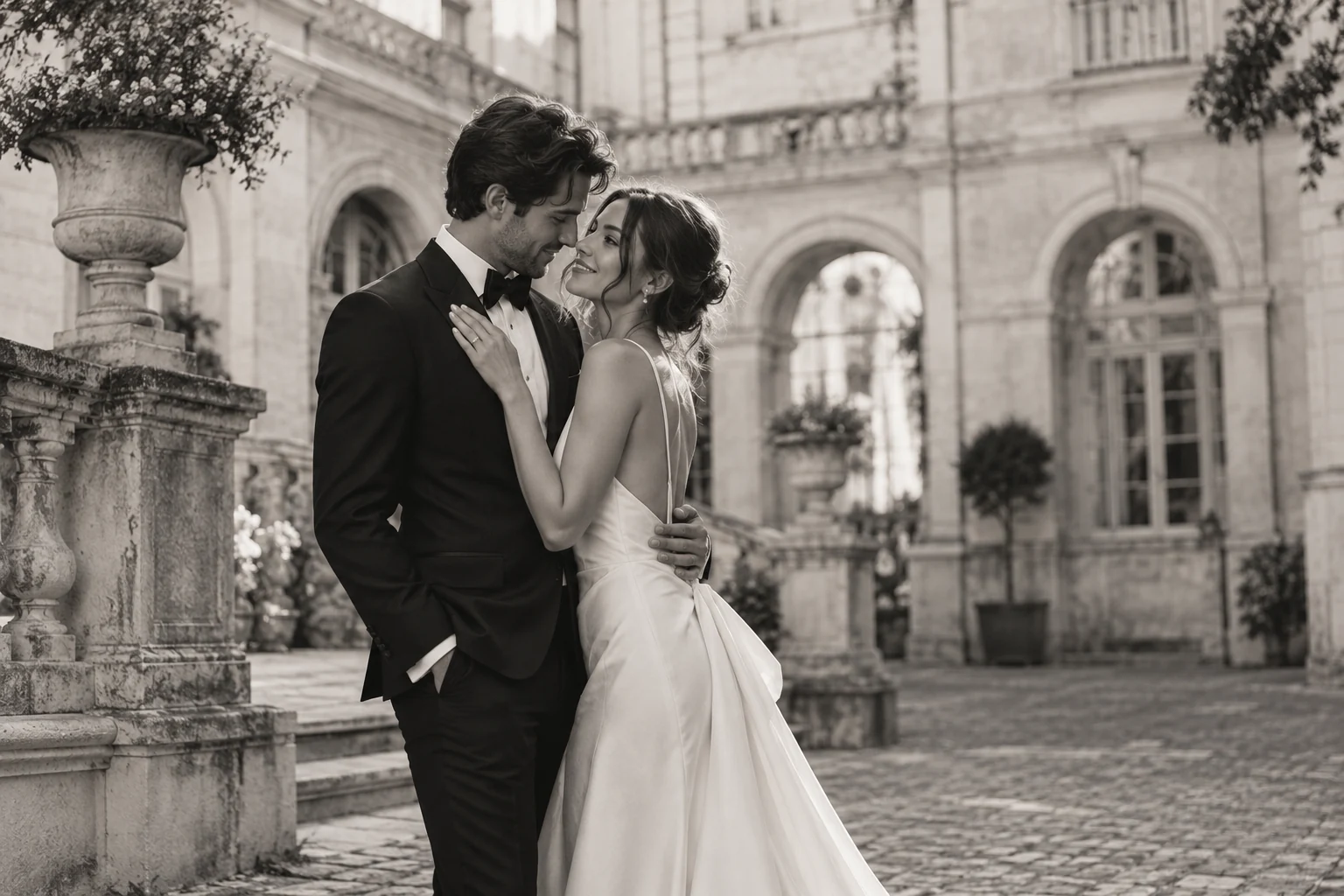
When choosing images for an album, let quiet details create pauses between larger moments. They can slow the pace, recall a color or bring a remembered texture back into view. Give them room, while keeping the people at the center.
An original editorial note by Pitiko Studio for the Vow & Veil concept.