The image
Describe what draws you to a reference.

From the journal
Three original notes about visual references and the conversation around a considered experience.
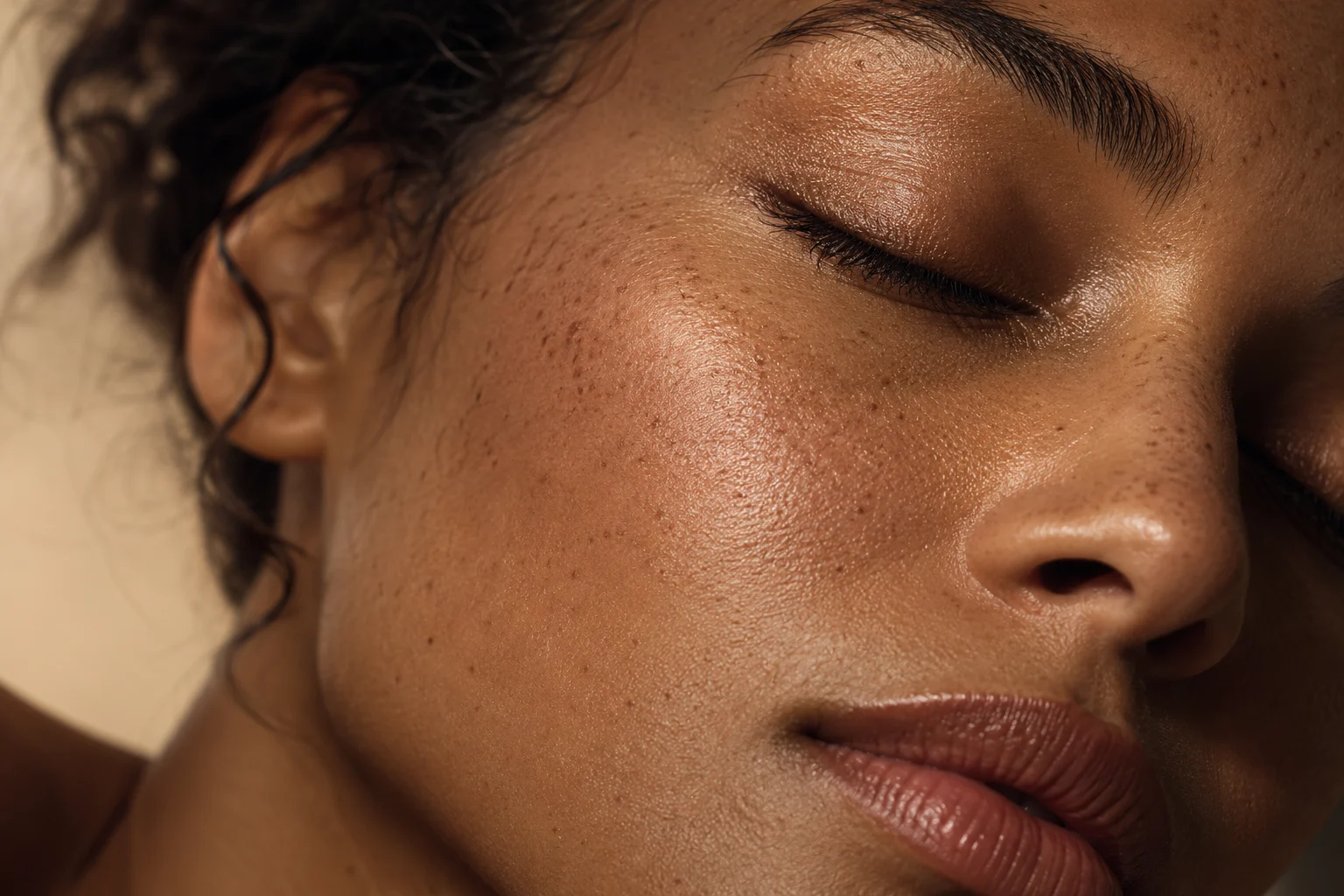
A visual reference can open a useful conversation.
Read the note ↗
A preference does not have to arrive as a perfect sentence.
Read the note ↗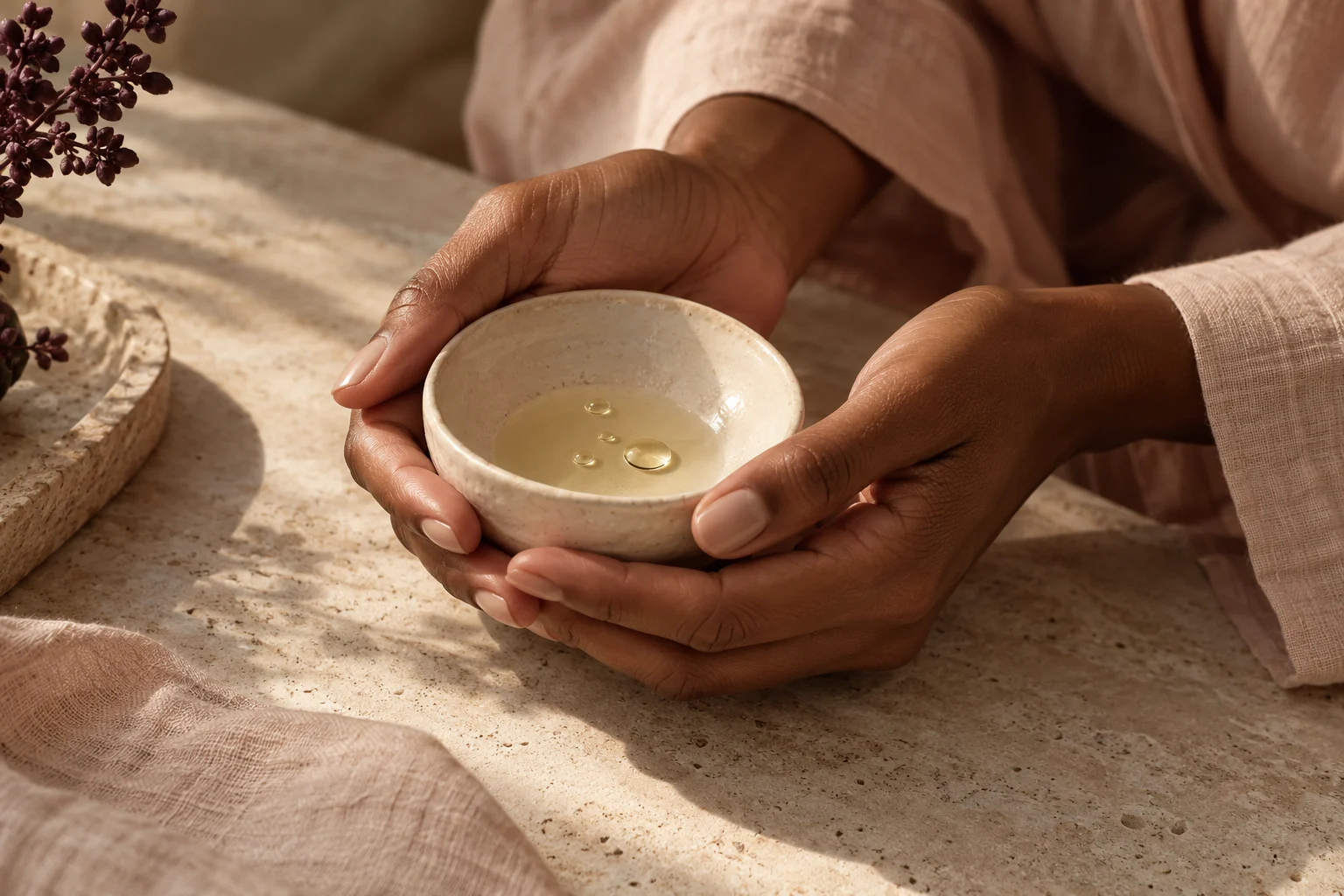
Porcelain, linen and the facts behind a tactile reference.
Read the note ↗AVRA / Journal
A close view can draw attention to texture, light or expression. Before treating it as a goal, name the part of the reference that interests you. A photograph does not establish a service or its result.
Try describing the experience around the image: a quieter pace, an explanation before touch, or time to ask about products. Those details can make a conversation more specific.
Address personal suitability with a real qualified provider. The journal offers language and context, rather than an assessment of skin.
Make room for a questionAVRA / Journal
Some people want an explanation at each step. Others want space for quiet once the process is understood. Neither preference needs a special ritual name.
Explain what helps you feel informed and how you would like to request a change or a pause. Ask what the actual provider can accommodate.
The format and duration still matter. Confirm what is included, rather than assuming that a calm image means extra appointment time.
Make room for a questionAVRA / Journal
An object can suggest a mood without telling you what it contains. A plain jar or ceramic bowl in an image is a creative reference, not a product specification.
Ask which actual products and materials are used. A real provider should explain the service clearly and discuss your questions within their scope.
AVRA’s materials are original visual studies. They do not stand in for product information, verified premises or evidence of a result.
Make room for a questionA reading path
Describe what draws you to a reference.
Explain the experience you would like to understand.
Ask how the actual offer relates to that preference.
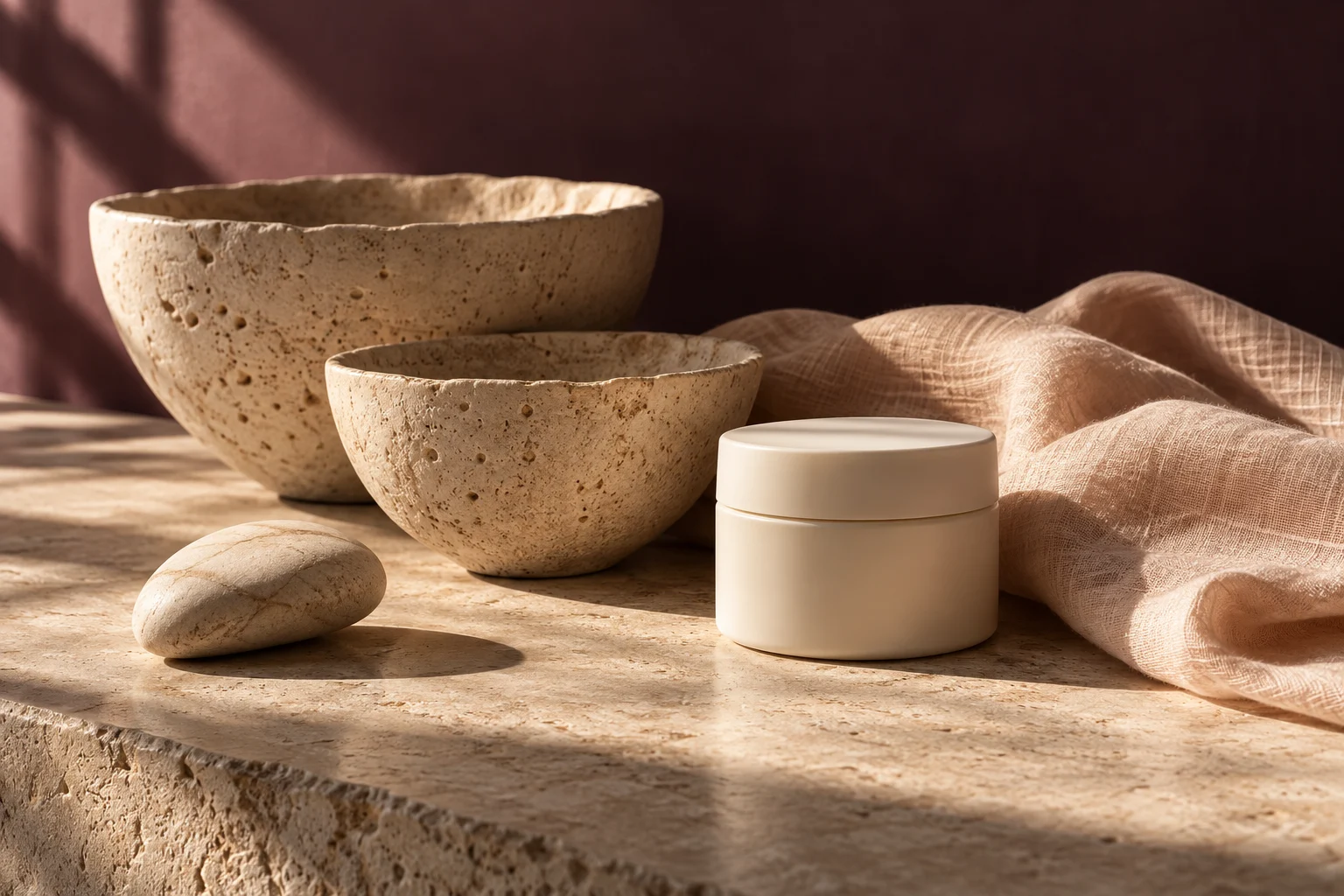
The image collection
Return to the original portraits, care scenes and material studies. Open an image and explore its context at your own pace.
Explore the galleryPlan your visit
Make room for the questions you would like to understand before deciding.
Plan your visit