Performance
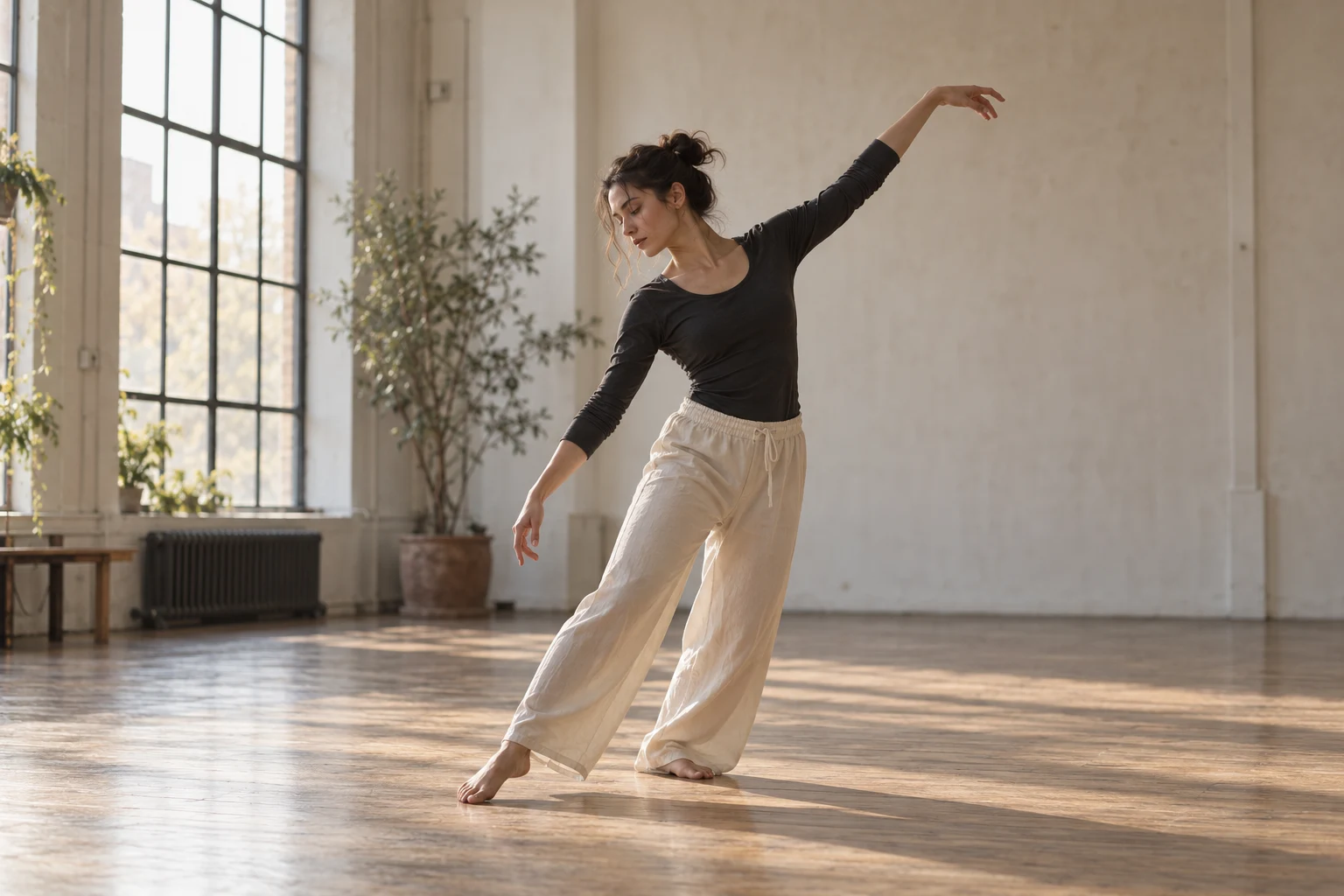
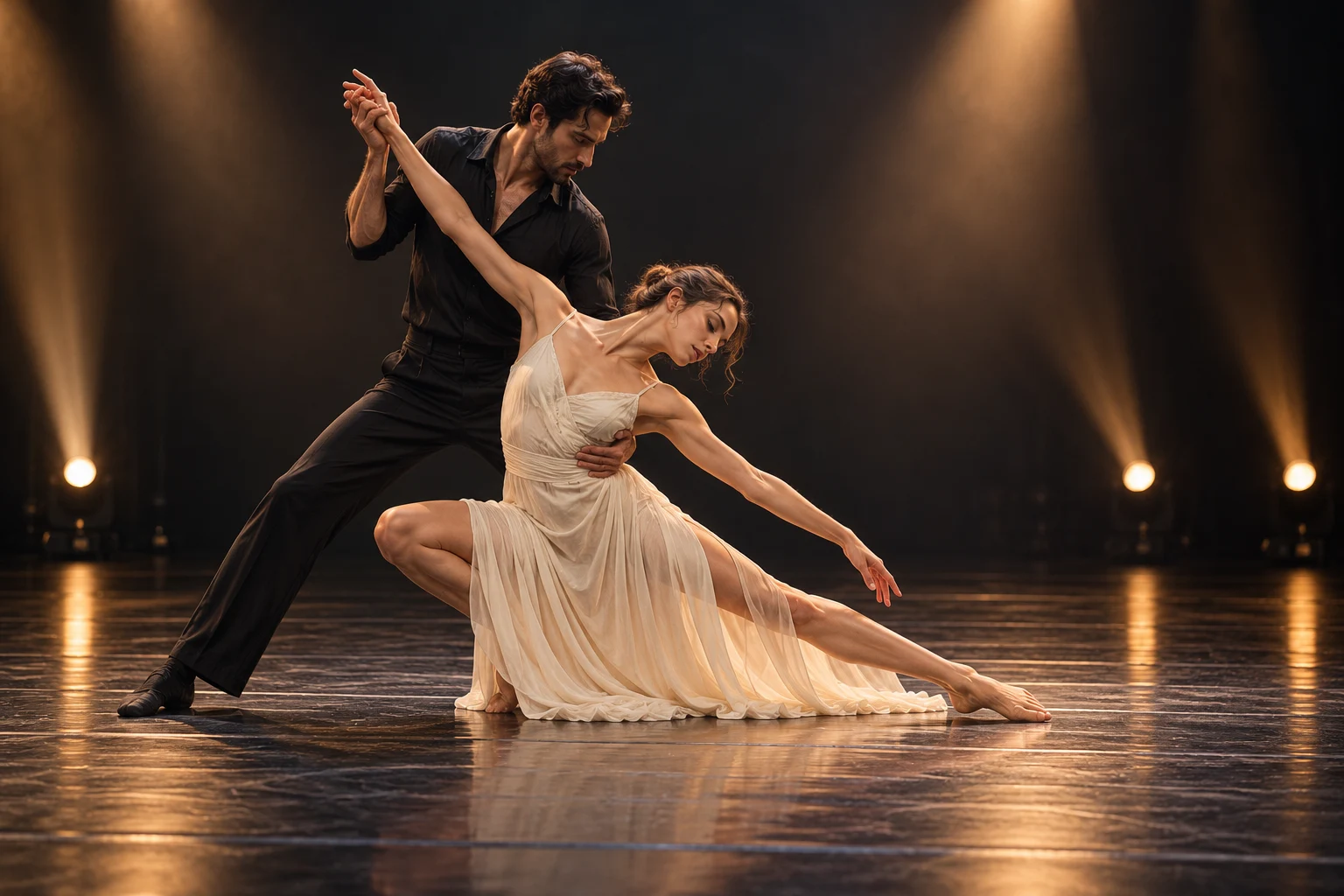
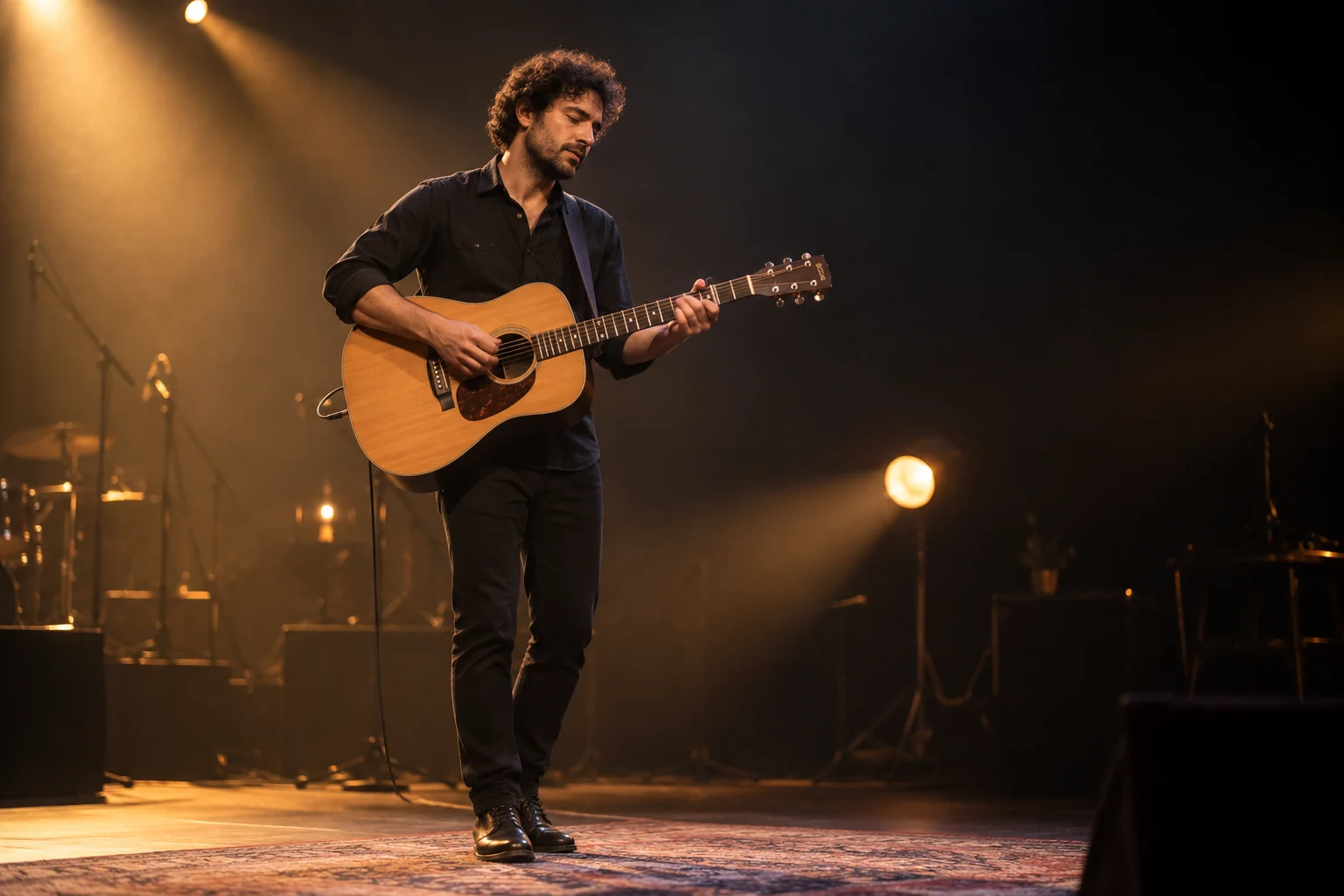
Movement, energy and the atmosphere around a live moment.
Explore performance VELVET STAGEFor the moments that move you.
Performance / Portraits / Behind the curtain
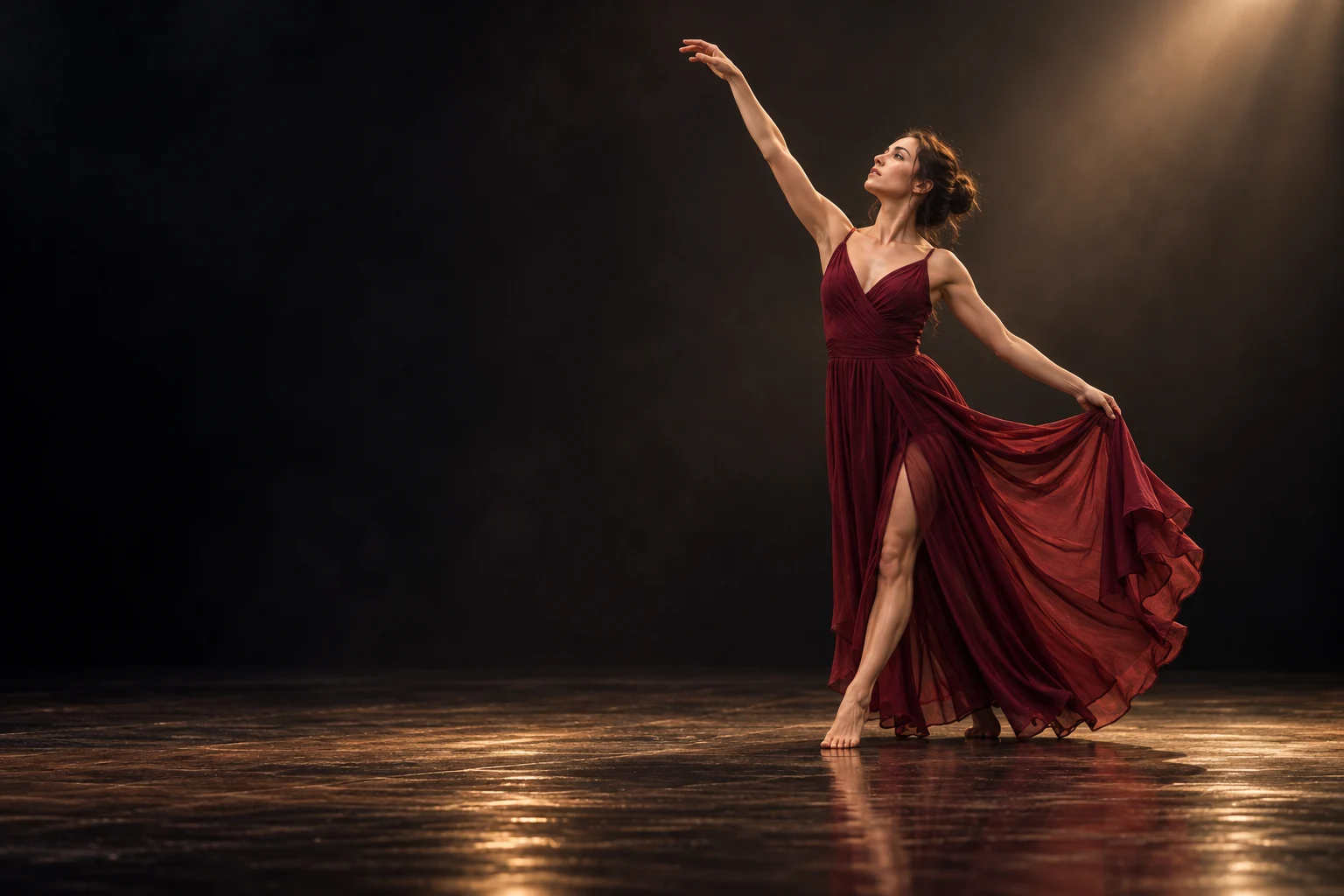
Presence, held in a frame.
Explore the workThe person. The work. The moments in between.
A performing arts photography concept drawn to presence, movement and the quieter truth around the spotlight.
Discover the approach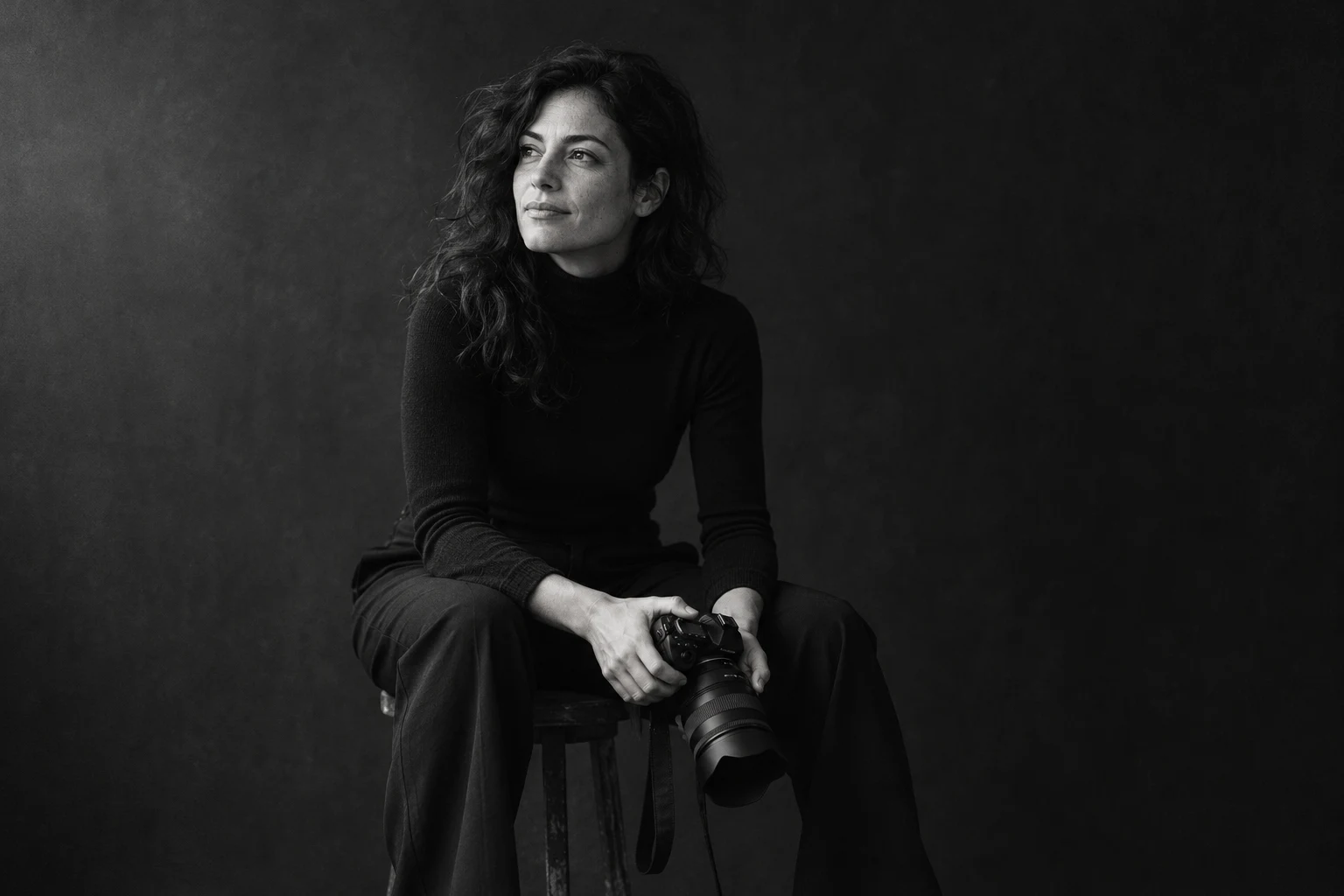
The artist
A patient frame leaves room for a person to be seen.
The approach begins with listening to the people behind the work, then noticing the gestures, concentration and changing light around them.
Meet the artistSessions
Performance, portraiture and the process around them. Each begins with attention to the person, the setting and what the photographs need to say.
Movement, energy and the atmosphere around a live moment.
Explore performanceThoughtful images of the person, their character and the work they bring.
Explore portraitsAn attentive way of working, from a first conversation to the final sequence.
Discover the sessions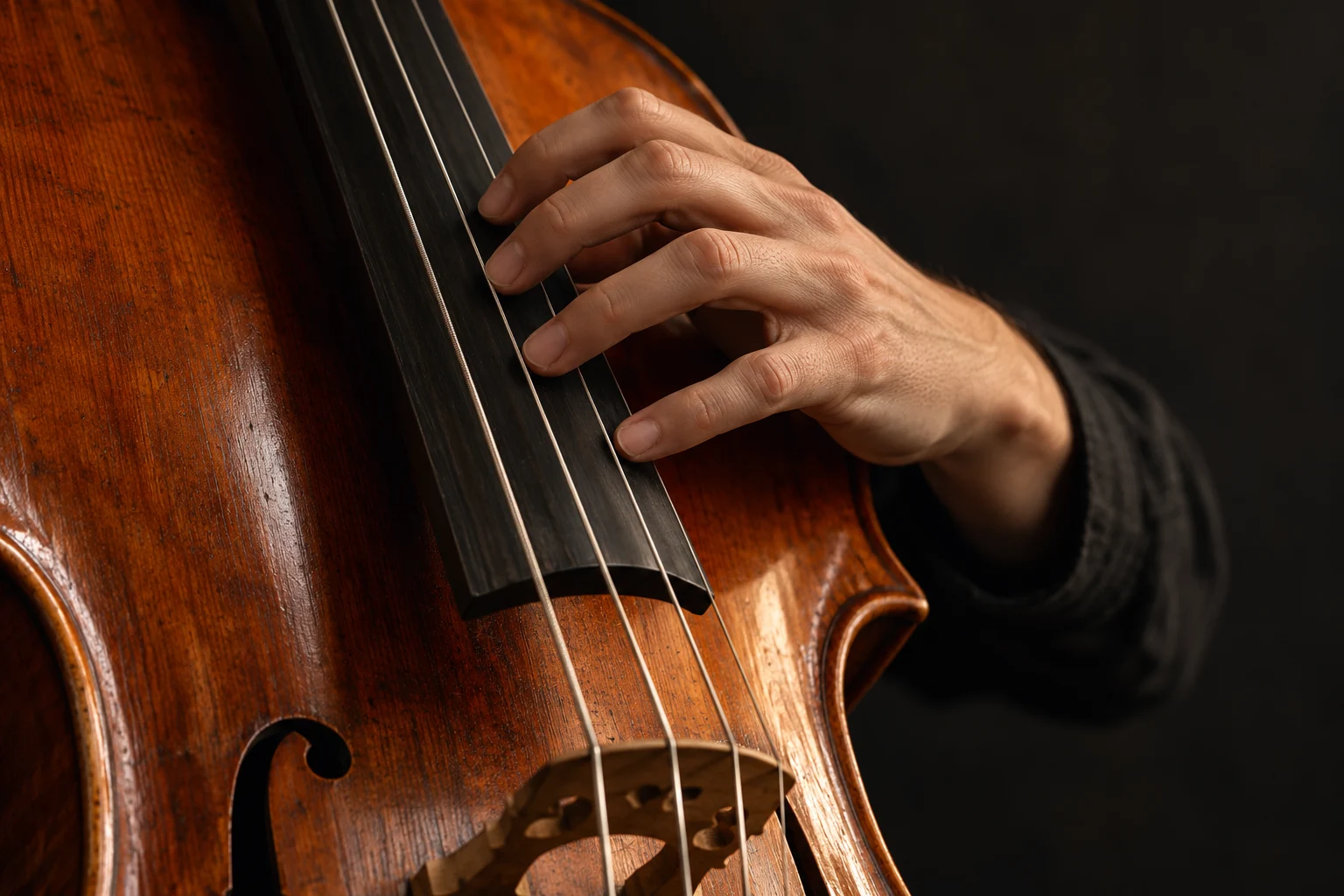
The smaller moment
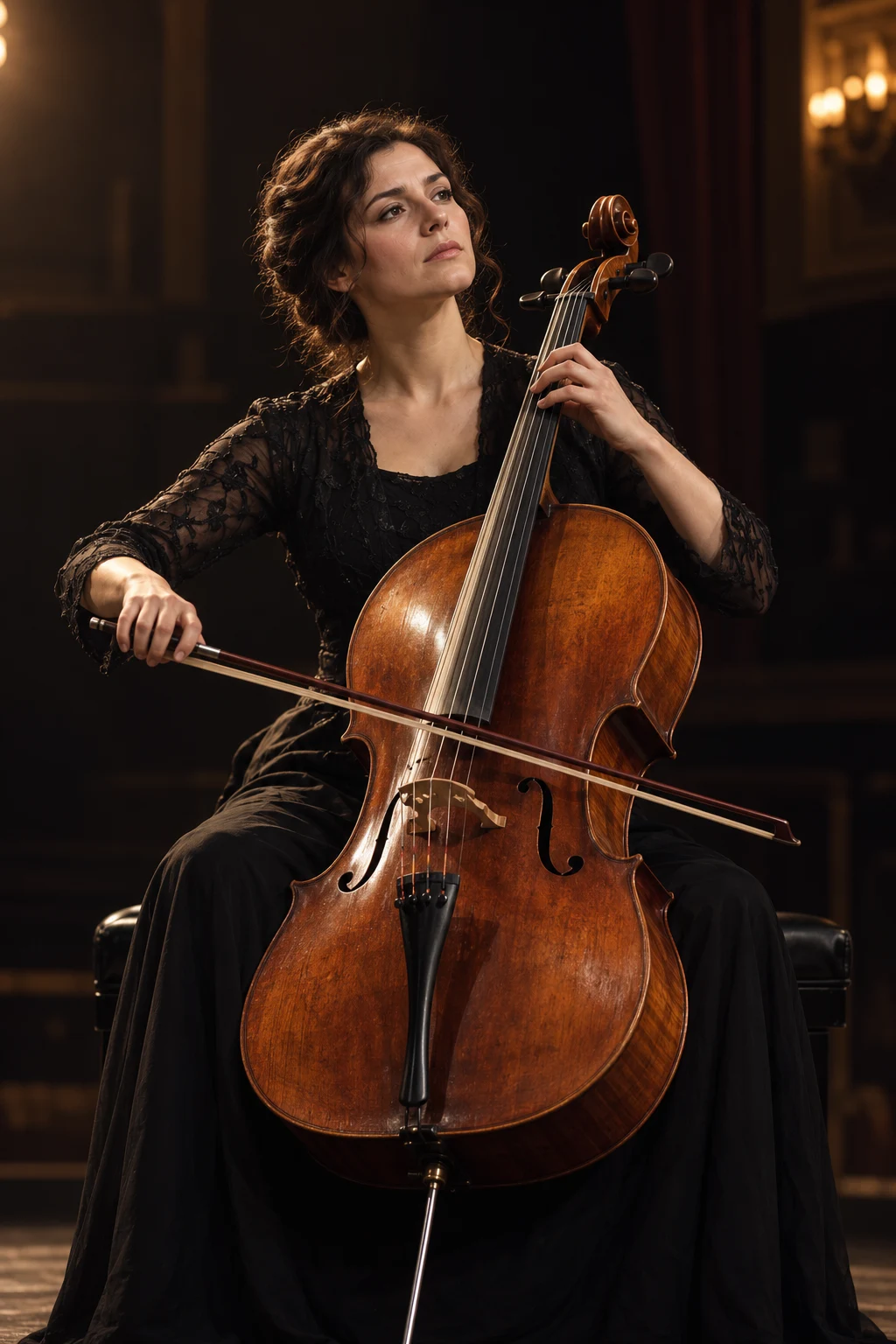
A hand at rest, a familiar instrument or the breath between movements. The details give the main portrait somewhere meaningful to live.
Explore a music storyJournal
On observation
How light can give a photograph a rhythm of its own.
Read the note
On portraits
The moments between rehearsal and performance can hold their own story.
Read the noteBefore the first hello
A portrait session can begin with a conversation and simple direction. There is room to settle into the frame, pause and respond naturally. The aim is a recognisable presence rather than a fixed performance for the camera.
For a real commission, agree access, timing, permissions and any boundaries with the people responsible before the session. The photographic plan should fit the working rhythm of the space.
Begin with what the photographs need to communicate. A studio, a familiar working space or a stage can each bring a different atmosphere. Confirm lighting, access and practical needs together before the day.
A story worth seeing
Begin with the work, the person or the moment that matters.
Start a conversation