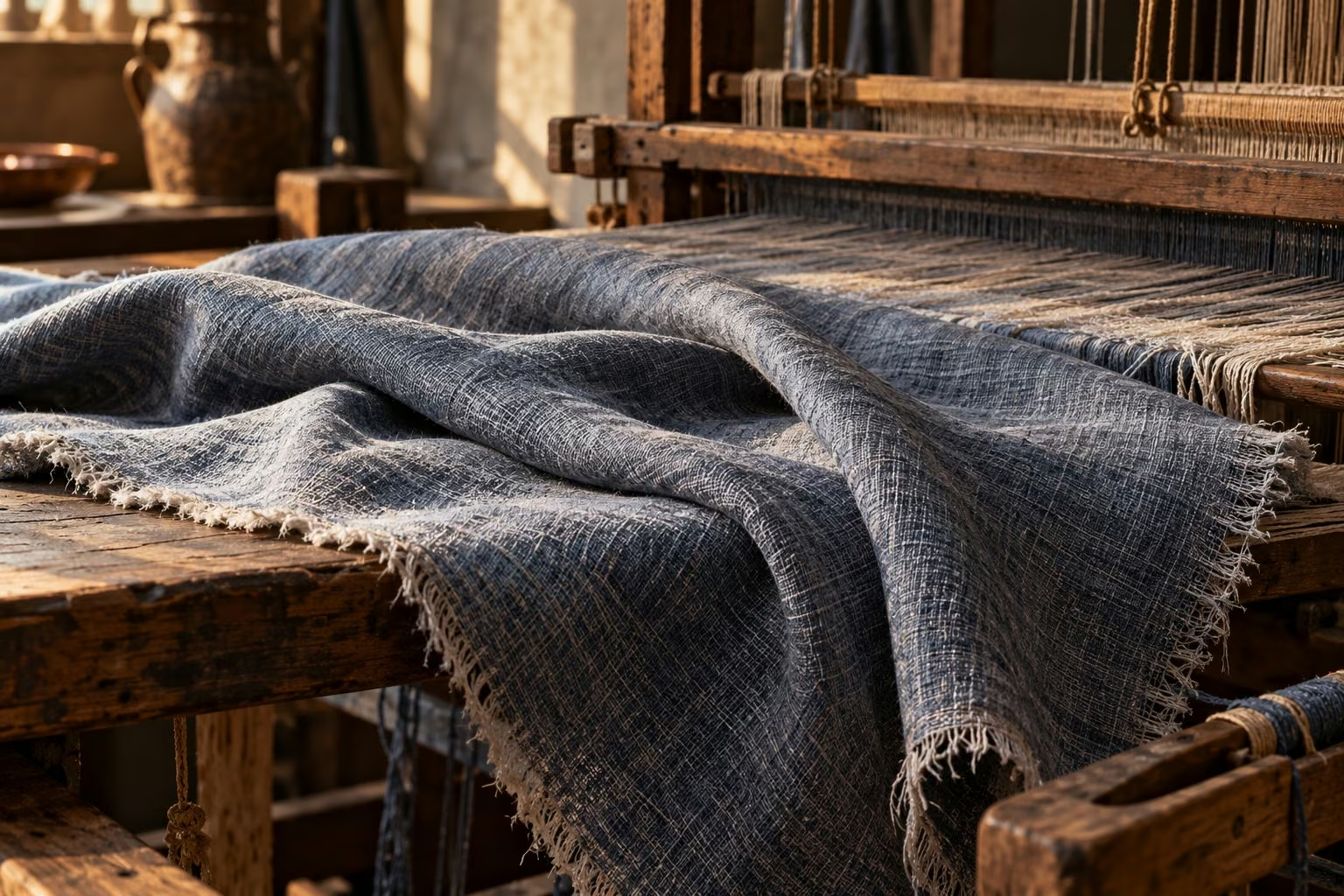
Let the surface suggest the light.
Wood, cloth and clay respond differently to light. A useful starting point is to notice which direction reveals the character of the material without making the photograph feel overstated.
A soft shadow can describe an edge, while a small highlight reveals a change in texture. The relationship matters more than the brightness of any single area.
Notice the evidence of making.
The mark of a tool, an uneven fibre or a softened rim can connect a finished piece with its process. These observations make a material study more specific.
Choose details because they support the story, rather than simply filling the frame. Space around a small mark may make it more visible than a tightly cropped surface.
Keep the collection in view.
A textural image can become a quieter interval between portraits and wider scenes. Its role may be to slow the pace and invite a different kind of attention.
Review the whole sequence after making smaller decisions. Consistency comes from a shared intention, not from giving every photograph the same scale or intensity.