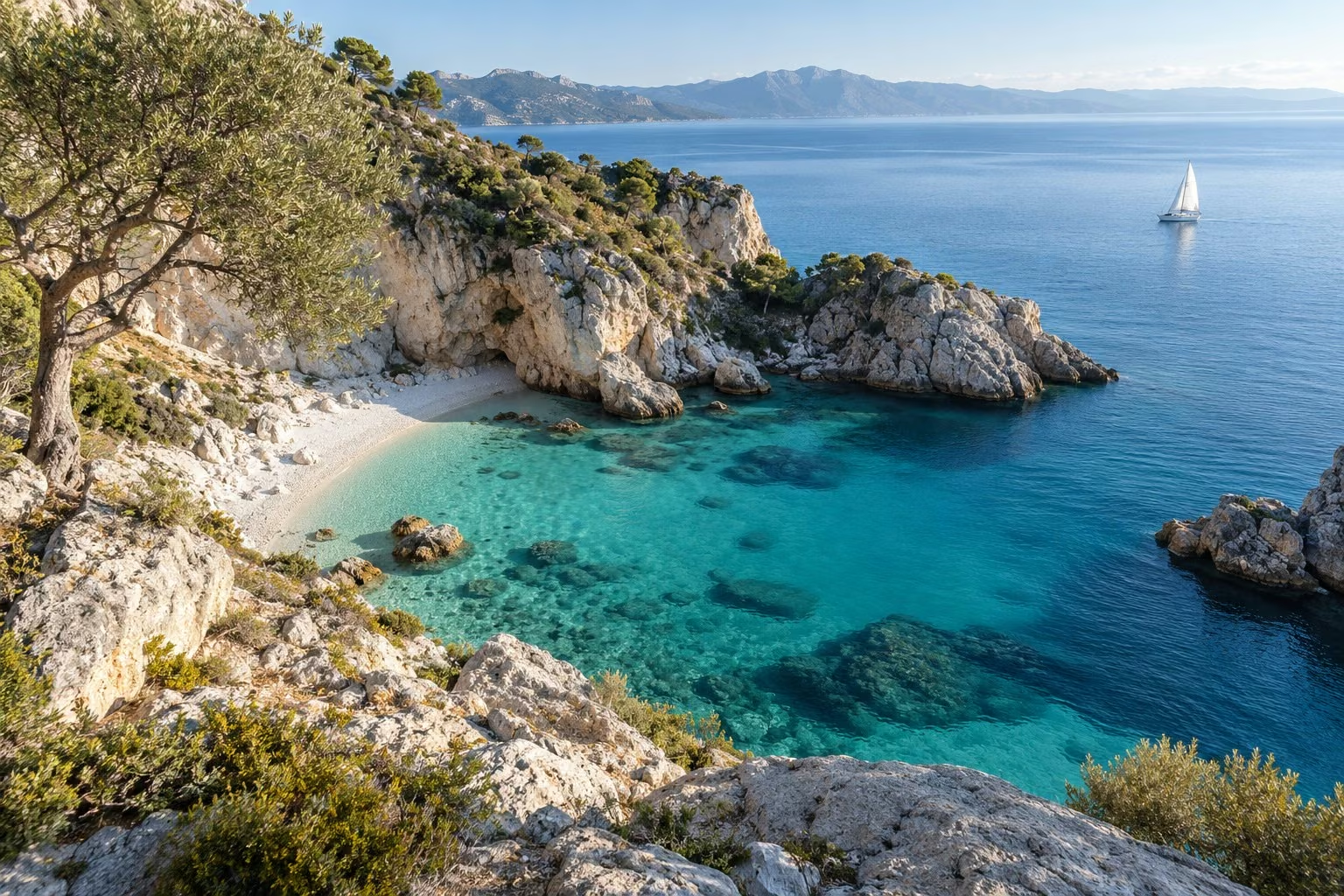
Look beyond the landscape.
A coastline can be striking without telling us much about the lives around it. Ask what makes this place specific: a familiar task, a working surface, an unhurried conversation or the way someone returns to a vessel.
Begin with attention rather than an expectation of how coastal life should look. Details that belong to the person or place give the photographs a more thoughtful foundation.
Let a portrait have context.
A person does not need to face the camera for an image to carry a sense of character. The way they stand, hold a rope or settle into a familiar space can offer a natural first direction.
Explain the photograph you hope to make and keep the conversation open. Familiarity with a setting belongs to the person who works there; their knowledge may suggest a better viewpoint or a more suitable time.
Find the relationship between scales.
Place a wide view beside a portrait and a close detail. Notice what each adds. The landscape offers context, the portrait brings a human presence and the detail invites a slower kind of looking.
A sequence becomes more specific when the images do different jobs. If two photographs repeat the same information, a quieter observation may serve the collection better.