Begin with a small edit.
Choose a handful of photographs and look at them together before building a larger collection. A strong opening frame does not need to be followed by another image of the same intensity.
Space gives the viewer time to understand a photograph. A calm stretch of water or a working detail can become a useful interval between more immediate images.
Ask what the detail contributes.
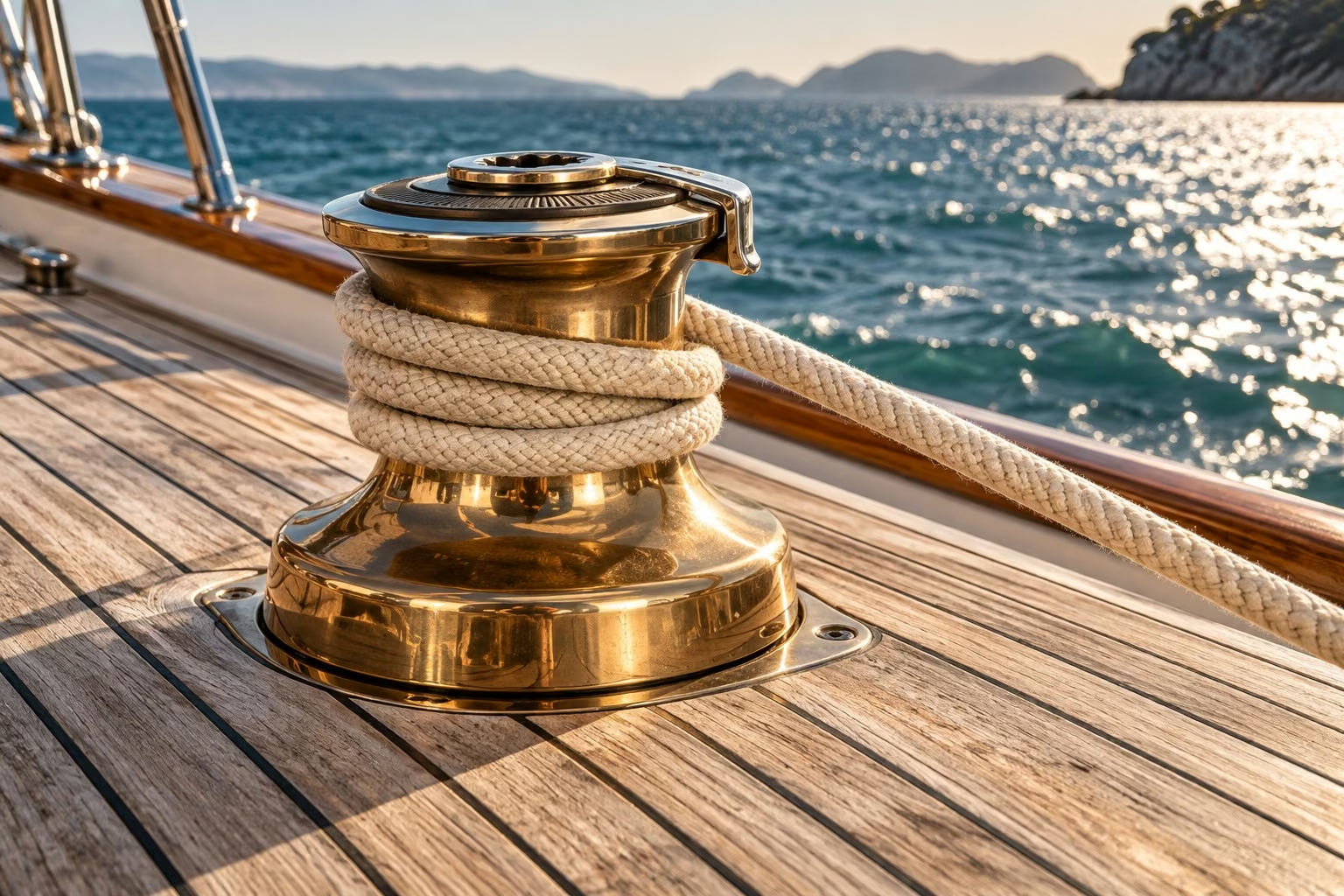
A rope, a fitting or a line in a sail should add something to the story. Material texture can bring the viewer closer, but an attractive surface alone does not make a frame necessary.
Notice whether the detail changes the pace or gives a new way to understand the person and place. If it repeats what is already present, leaving it out may make the sequence clearer.
Return to the whole.
After making smaller decisions, look again at the complete collection. Follow the movement between light and shadow, wider views and closer observations, people and the spaces around them.
The edit does not need to explain everything. It should leave a considered impression of the work and enough room for the viewer to return with another question.