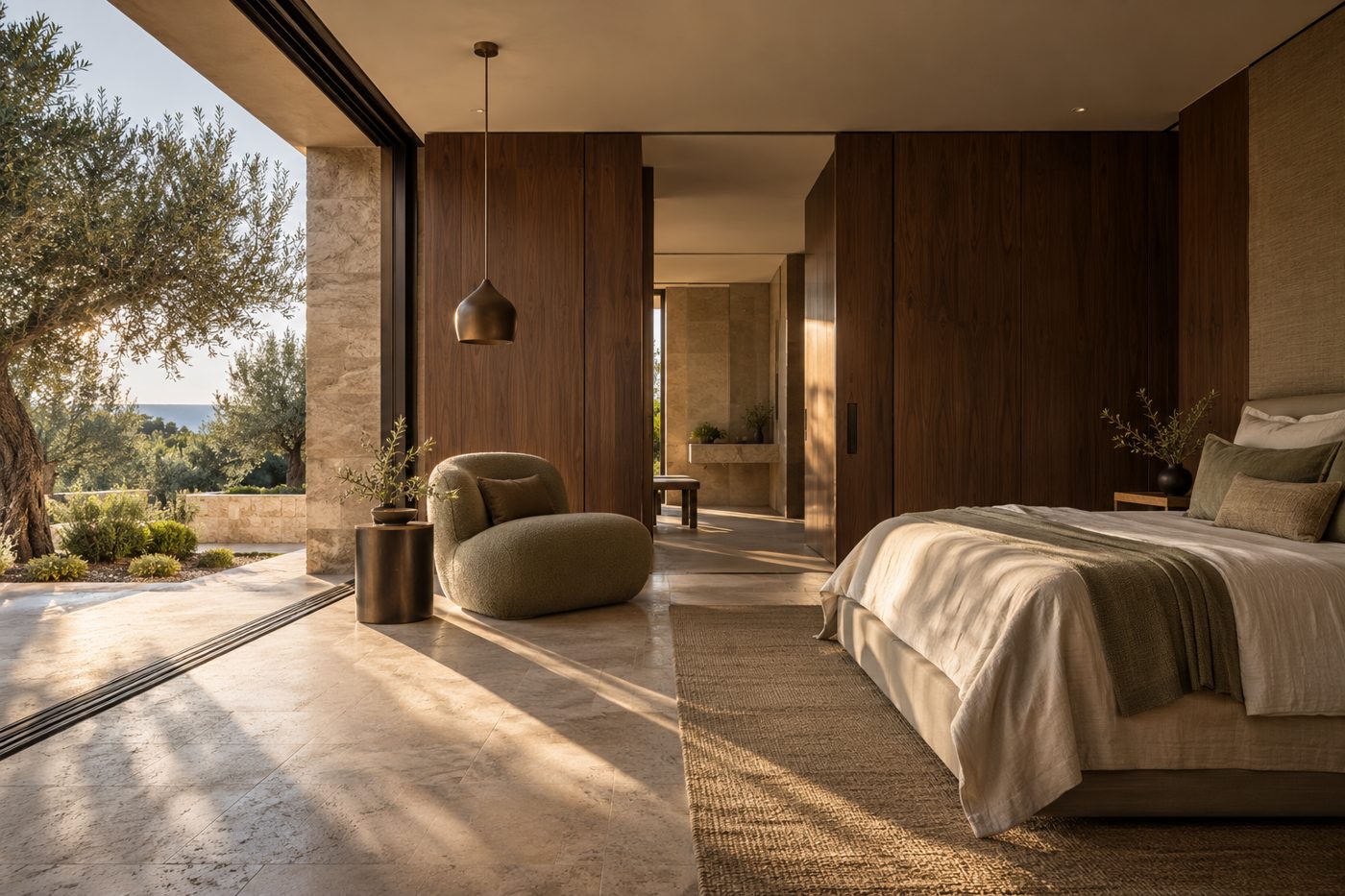
01 /The Olive House
Architectural and hospitality photography for spaces that shape how we live, gather and belong.
Explore the work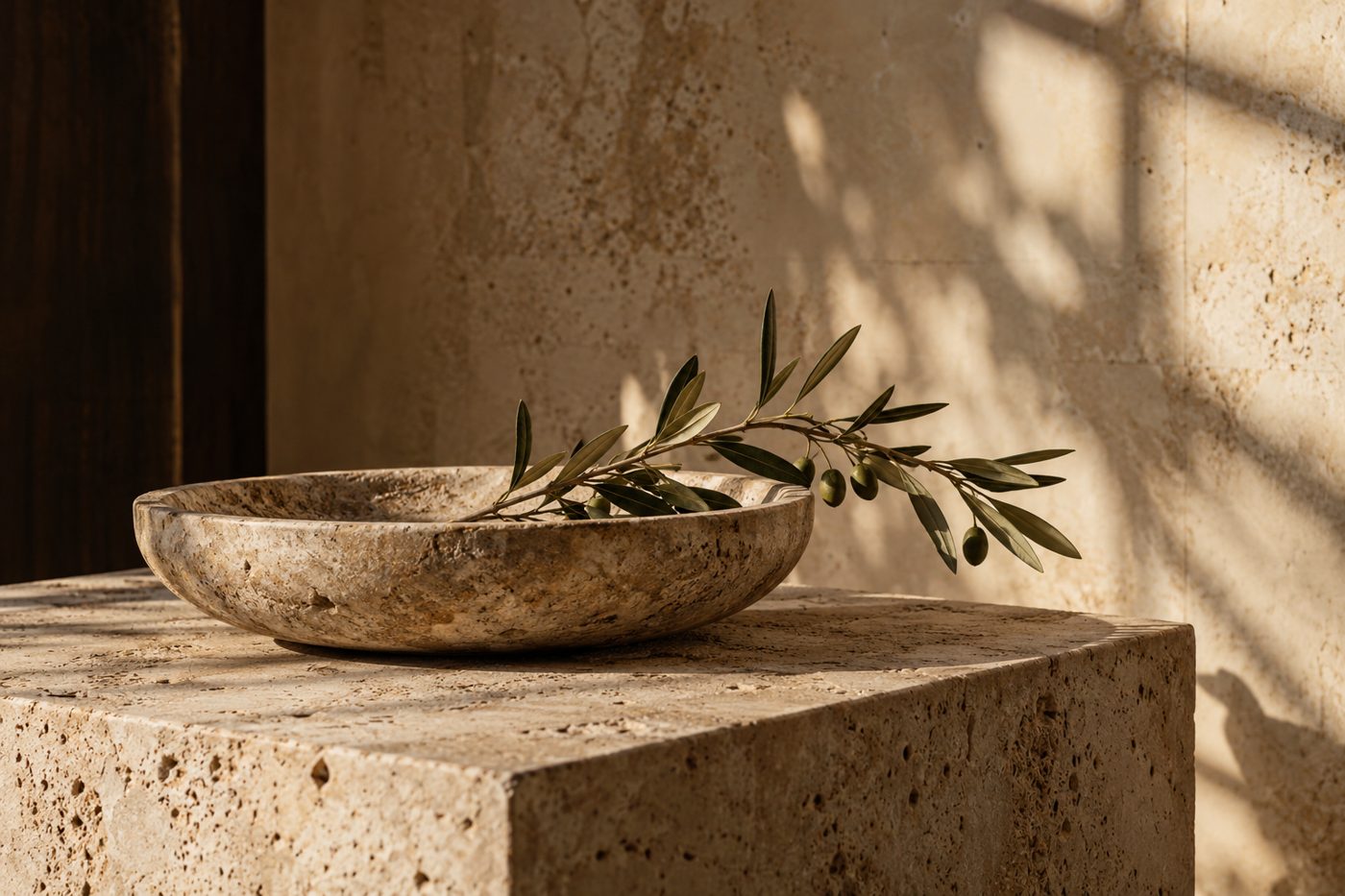
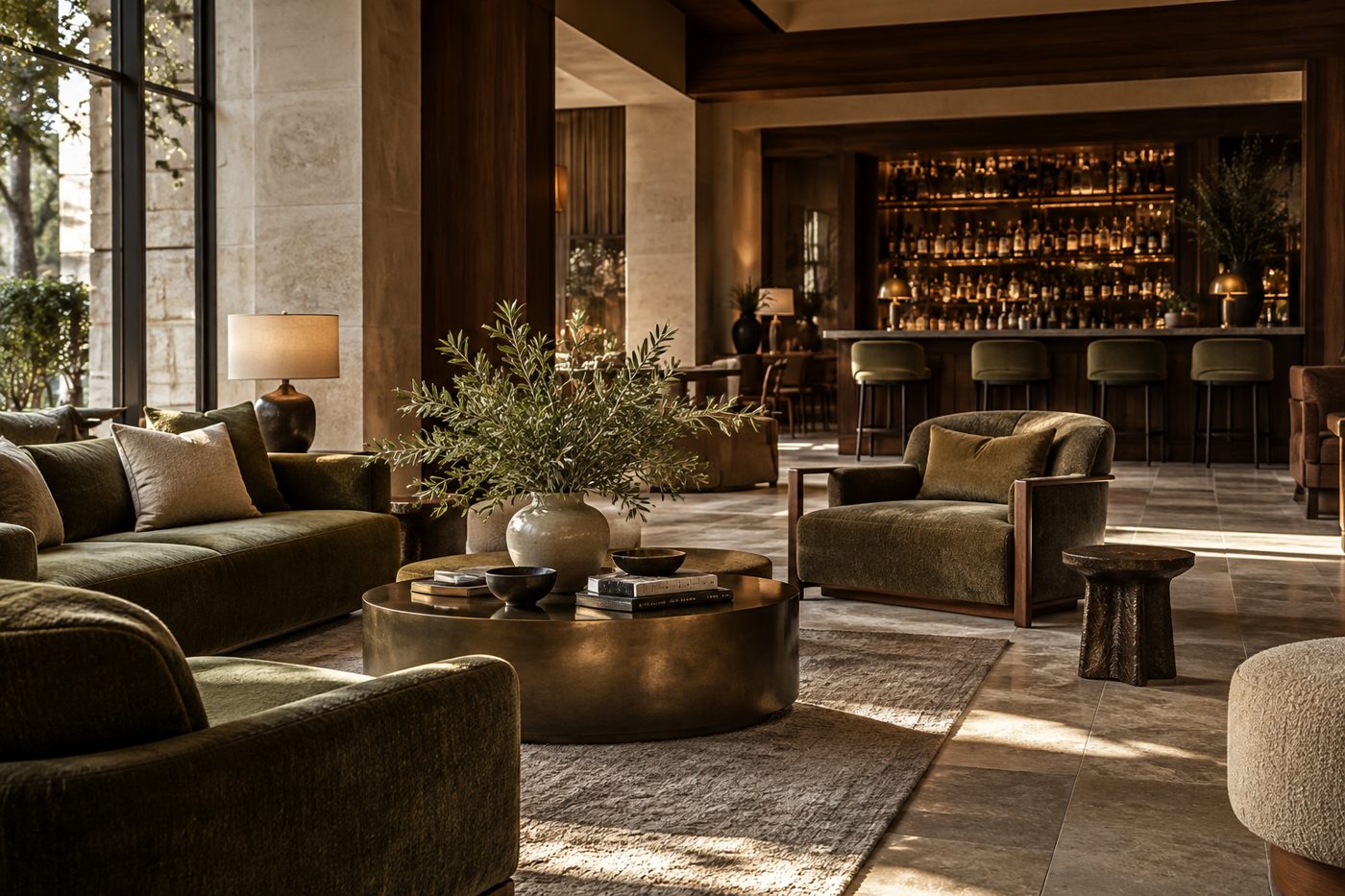
SOLUM is a photographic practice dedicated to architecture, interiors and boutique hospitality.
Considered, atmospheric imagery with an emphasis on light, material and lived experience.
The practice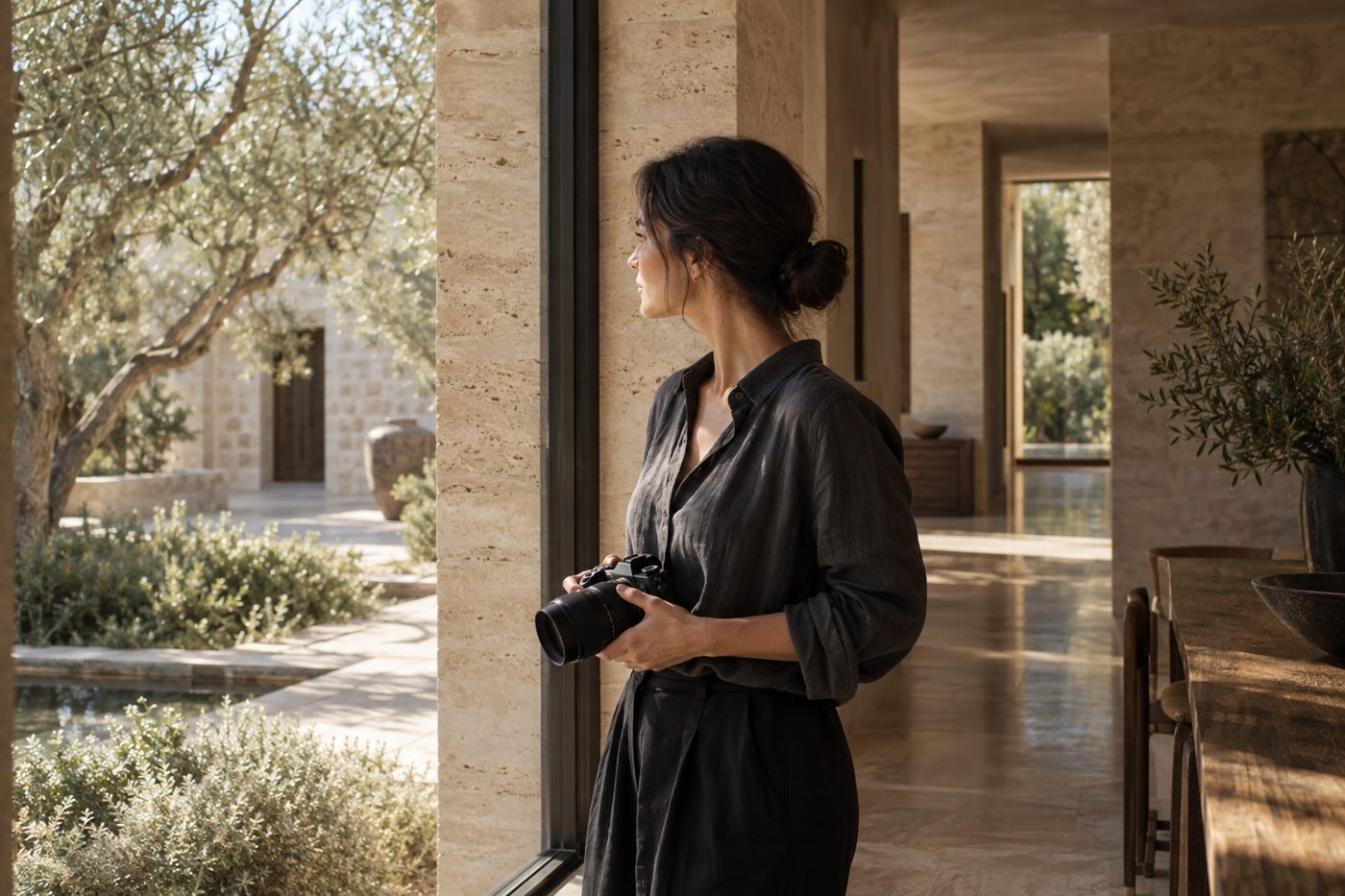
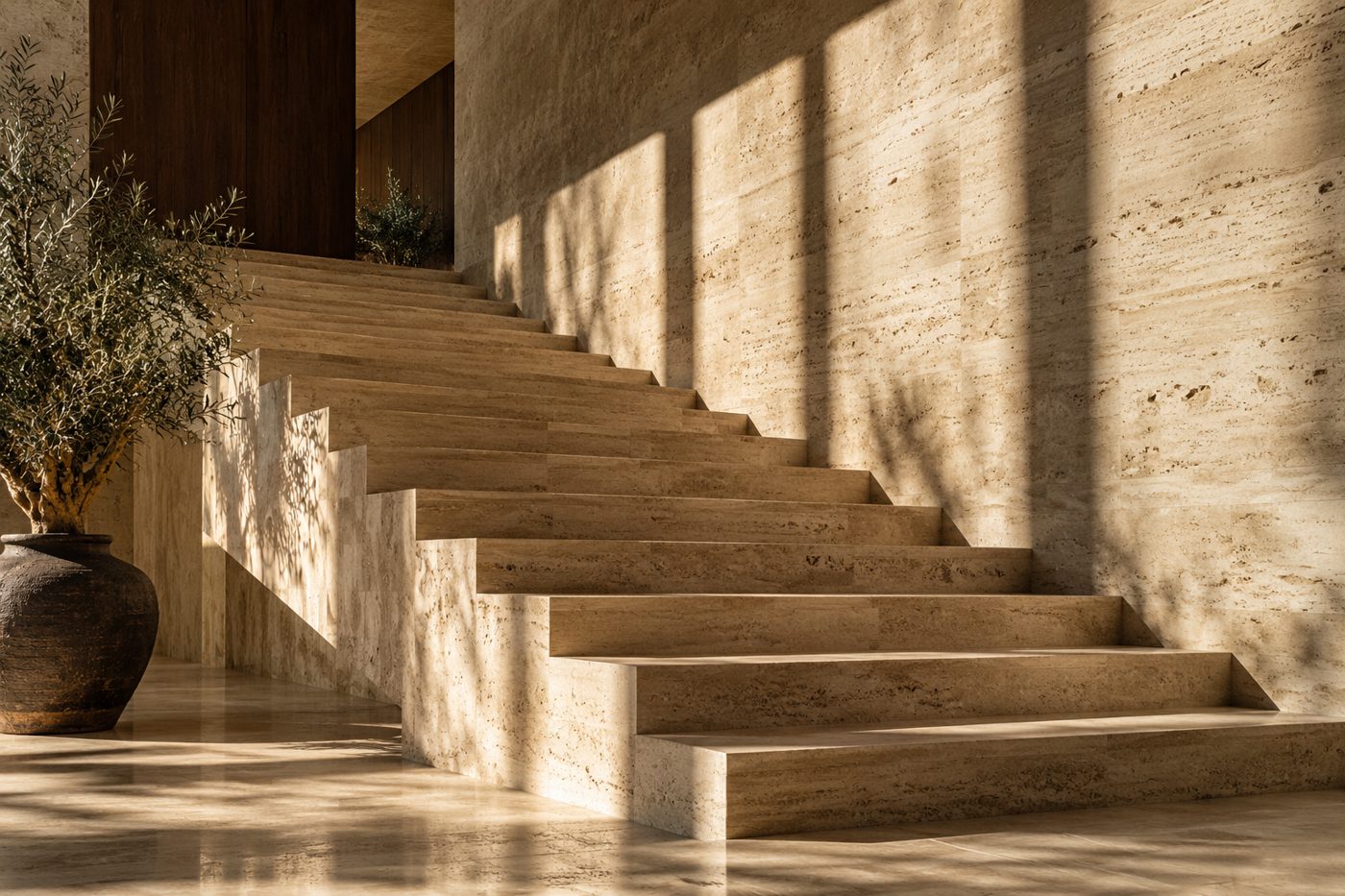
Architecture, interiors and boutique hospitality photographed with a focus on light, material and human life.
Real spaces. Considered perspectives. Lasting impressions.
A thoughtful photographic practice for architects, designers and people who create places with meaning.
My work begins by paying attention. To the way the morning reaches a wall. To the texture of a material chosen with care. To the small traces of life that make a place feel like itself.
SOLUM brings a considered editorial eye to architecture, interiors and hospitality. The aim is a collection that holds both the precision of the design and the atmosphere of being there.
Quiet observation, thoughtful preparation and a shared understanding of what matters most. A collaboration as personal as the spaces we photograph.
Where light falls, how a room unfolds, and the details that could so easily pass unseen.
A measured approach to composition, with space for a place to reveal its own character.
A clear, thoughtful collaboration with the people behind the project, from the first conversation.
A building is more than its outline. The photographs should hold the textures, gestures and atmosphere that give it life.
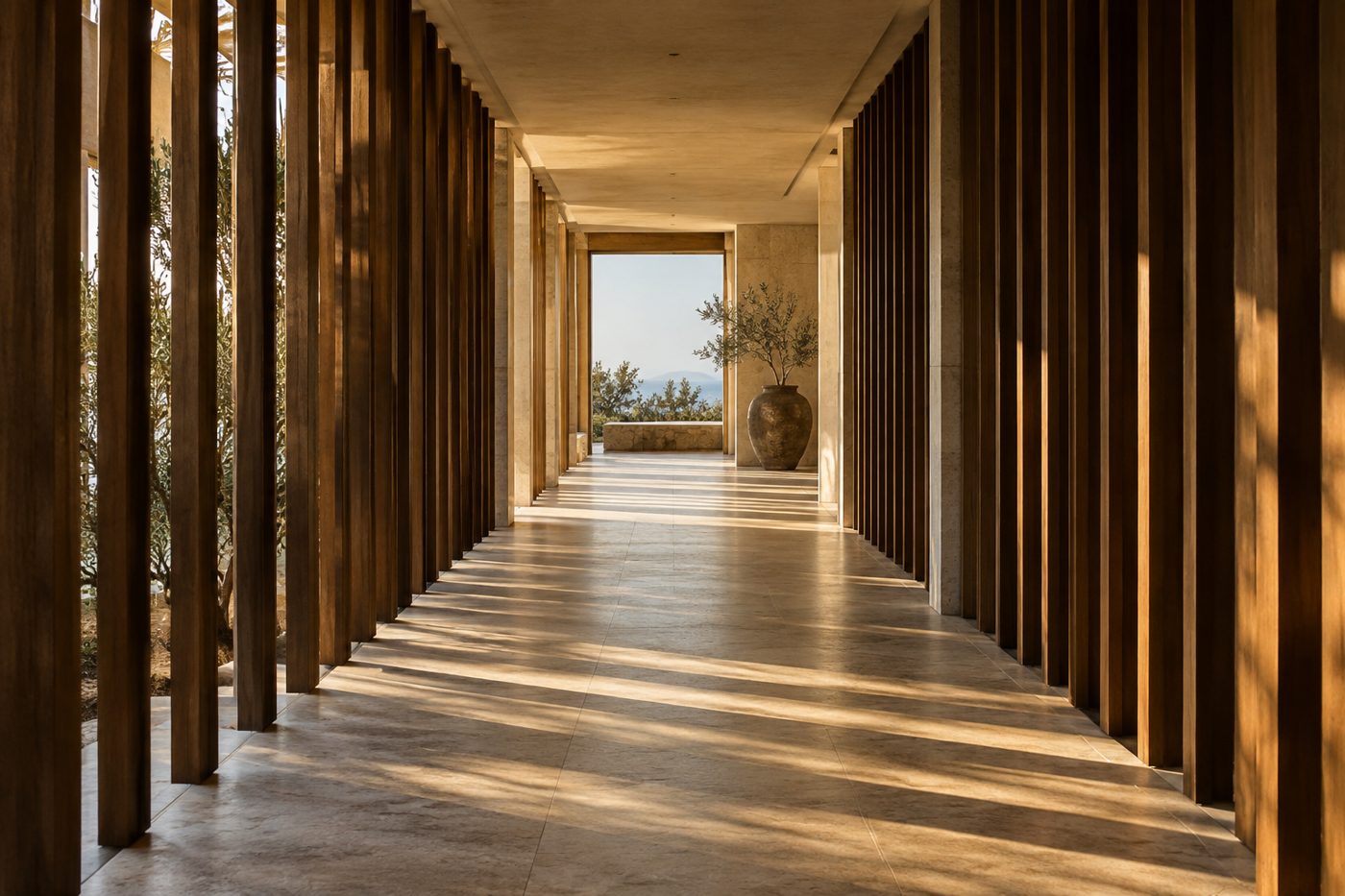
A calm, collaborative process, shaped around the architecture, the light and the people who will experience the images.
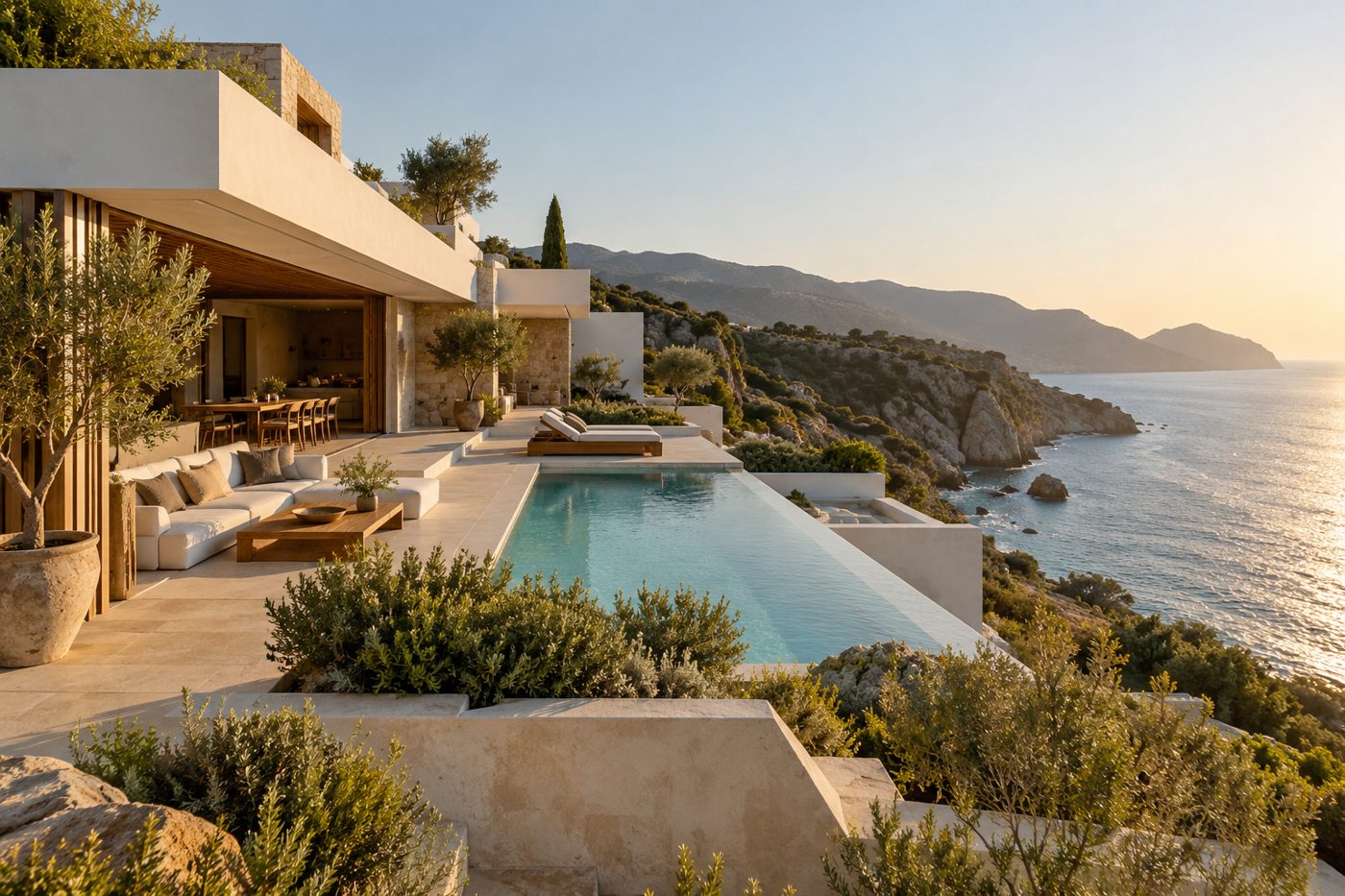
A building’s relationship with its setting, photographed with clarity, patience and a sense of scale.
Discuss a projectMaterial, proportion and the quiet details that turn a designed space into a lived experience.
Share your visionThe feeling of arrival, the invitation to stay, and the small experiences that make a place memorable.
Begin a conversationWe talk about the project, its intentions, your audience and how the photographs will be used.
A considered plan, location preparation and an unhurried approach to the rhythm of the space.
Thoughtful selection and a consistent finish, shaped into a coherent visual story.
Share the location, approximate timing, project type and intended use of the photographs. Plans, reference images and a short description of the design are helpful starting points.
The work is shaped around the place. Tell us where your project is and we can discuss the preparation, travel and timing it needs.
We begin with a conversation about your priorities, then consider the light, access, styling and the people who may be present on the day.
Yes. A complete visual story often brings wide views together with material details, interior moments and the character of the surroundings.
Small observations from the spaces we return to, and the things that make us look a little longer.
A quiet wall can hold an entire story. Give it an hour, and the image may become something else entirely.
Light is never simply something that illuminates a room. It describes the room, revealing texture, depth and the rhythm of its surfaces. Sometimes the most useful preparation is to sit still and watch.
We look for those small changes: the moment a shadow reaches an edge, the warmth that appears on stone, and the way a space feels different as the day moves through it.
Wood, linen, stone. The best details do more than fill a frame. They bring us closer to the experience of a place.
A photograph cannot offer the weight of a stone surface or the softness of linen. It can suggest them through the way light meets their edges, through contrast, and through the care taken with distance and scale.
Details belong within a larger story. Their role is to reveal the attention that shaped the space, rather than to become decoration on their own.
The most memorable spaces feel connected to what surrounds them. The photographs should keep that conversation alive.
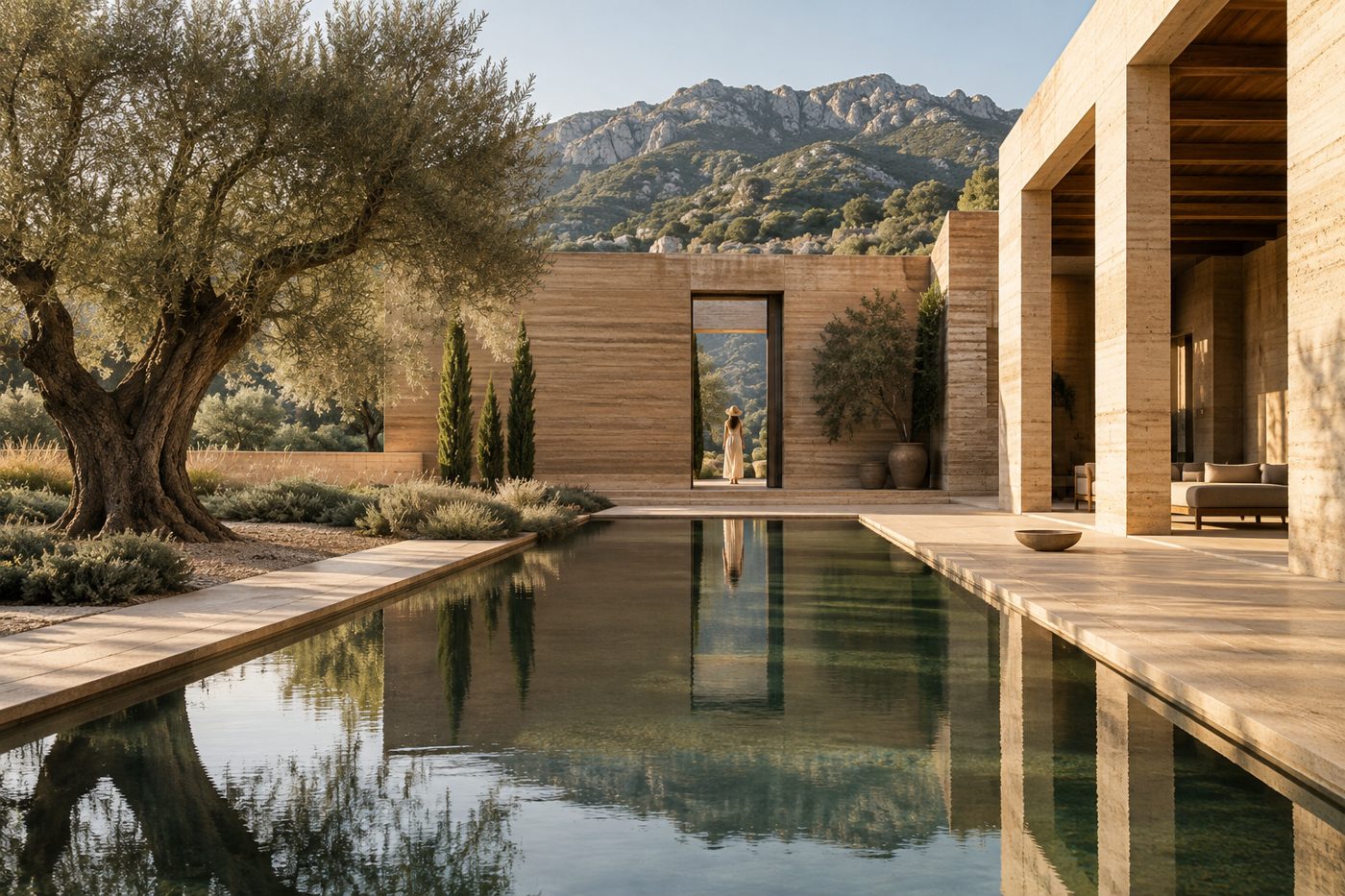
A view through a doorway, a reflection, the planting beyond a terrace. These relationships help explain why a building feels as it does. We look for frames that allow architecture and landscape to speak together.
Sometimes a small human presence is enough to make the scale familiar. Sometimes the place asks for quiet. The answer begins with observing what is already there.
Tell us about the space, the people behind it and the story you would like the photographs to hold.
Include the location, an approximate date and the intended use of the images. A little context is a beautiful place to begin.
Architecture
Interiors
Boutique hospitality
Your project
Your location
Your point of view
New projects, creative collaborations or general enquiries. We would love to hear from you.
Contact